What Is Metric Drift?
Metric drift occurs when the definition, calculation, interpretation, or usage of a business metric gradually changes over time. As organizations modify data sources, reporting processes, business rules, or KPI formulas, a metric may no longer represent the same measurement it originally tracked. When this happens, historical comparisons become less reliable and decision-makers may unknowingly base conclusions on inconsistent data.
Metric drift is a common challenge in analytics, business intelligence, and performance management. Without proper governance, organizations can end up with reports and dashboards that show numbers that appear consistent on the surface but are actually calculated differently than before.
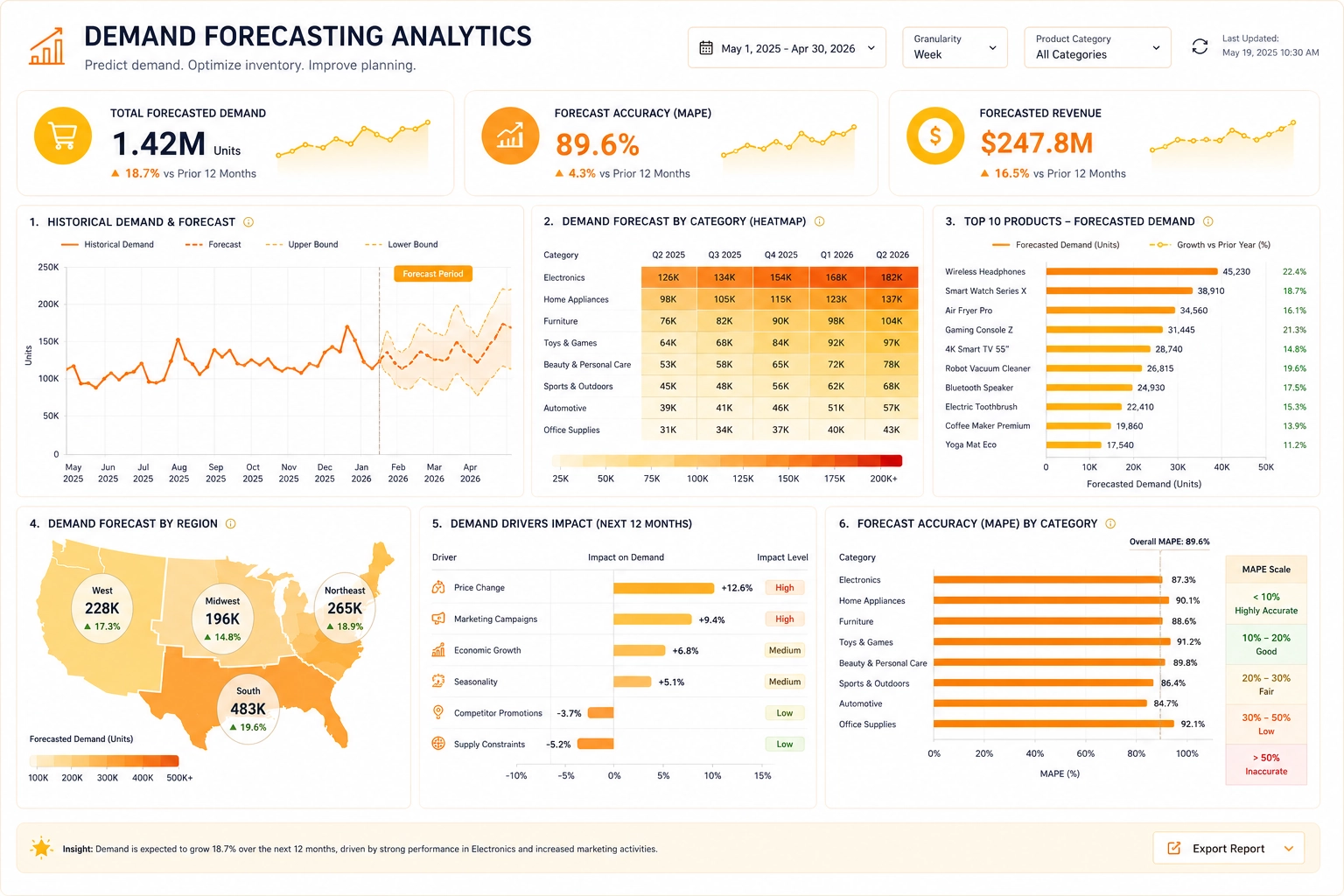

What Is Metric Drift?
Metric drift refers to the gradual deviation of a KPI or business metric from its original definition. The drift may be intentional, such as when a company updates a formula to reflect changing business requirements, or unintentional, resulting from undocumented changes to data pipelines, source systems, or reporting logic.
Over time, multiple small changes can significantly alter the meaning of a metric. As a result, stakeholders may believe they are evaluating a consistent measurement when they are actually viewing results based on evolving calculations and assumptions.
What Causes Metric Drift?
Changes to Business Rules
Organizations frequently adjust business processes and reporting requirements. If metric calculations are updated without documenting the changes, metric drift can occur.
New Data Sources
Integrating new applications, databases, or external data providers can affect how metrics are calculated. Additional data may alter totals, averages, percentages, or KPI thresholds.
Modification of KPI Formulas
Analysts and departments sometimes refine metric calculations to improve accuracy. If historical metrics are not adjusted or changes are not communicated, comparisons become difficult.
Inconsistent Departmental Definitions
Different teams may develop their own interpretations of a metric. Sales, marketing, finance, and operations departments may each calculate the same KPI differently, creating multiple versions of what appears to be the same measurement.
Technology and System Changes
Data warehouse migrations, business intelligence platform upgrades, and ETL modifications can unintentionally change reporting logic. Even minor technical adjustments can contribute to metric drift if validation procedures are lacking.
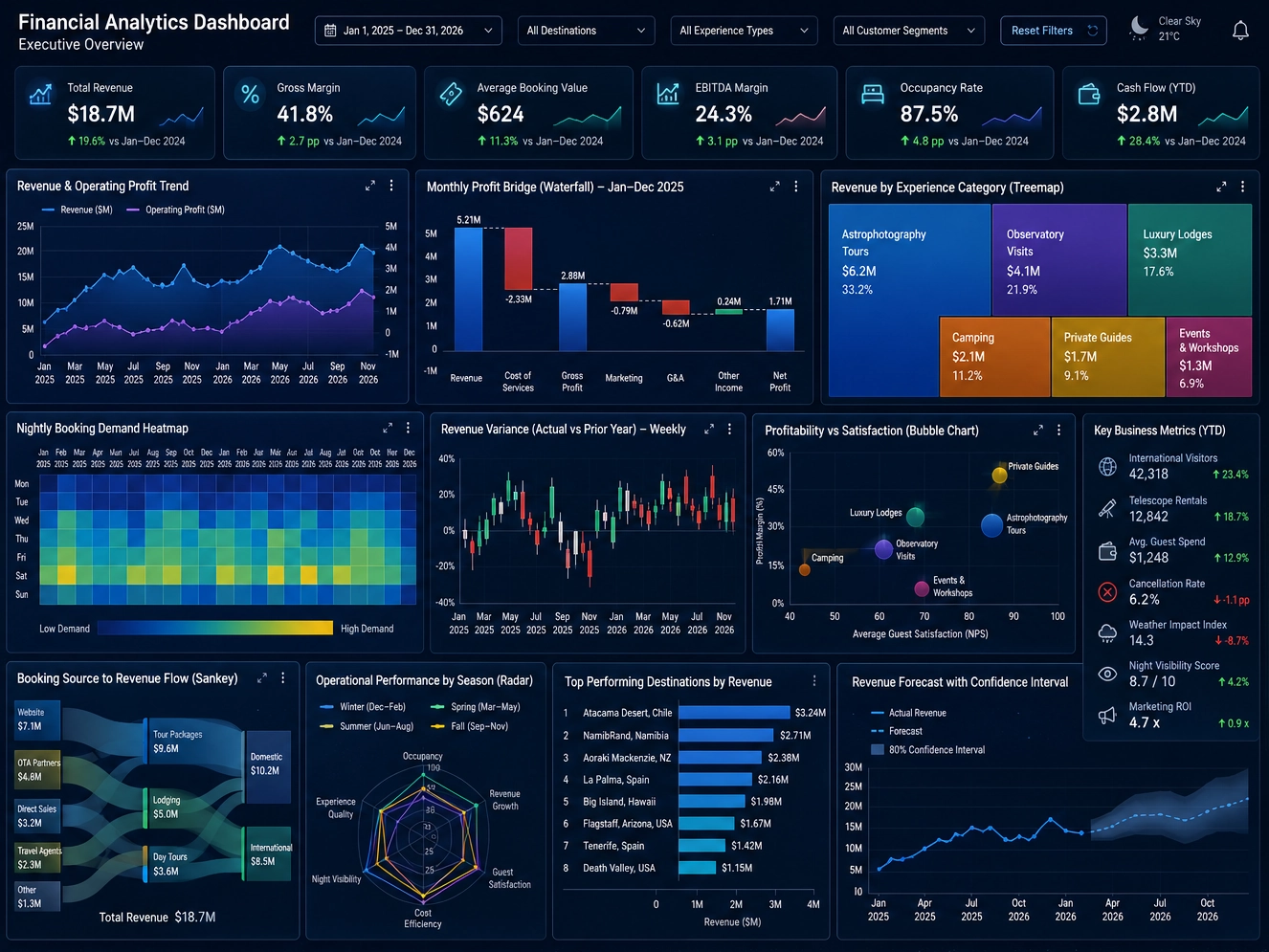
Examples of Metric Drift
Consider a customer retention metric that originally measured annual contract renewals. Later, the organization begins including month-to-month customers in the calculation. While the metric retains the same name, it now measures a different population and may show trends that are not directly comparable to previous values.
Another example involves revenue reporting. A company may initially track revenue based on invoiced sales but later switch to recognized revenue accounting. Executives reviewing historical reports may incorrectly assume continuity when the calculation methodology has changed.
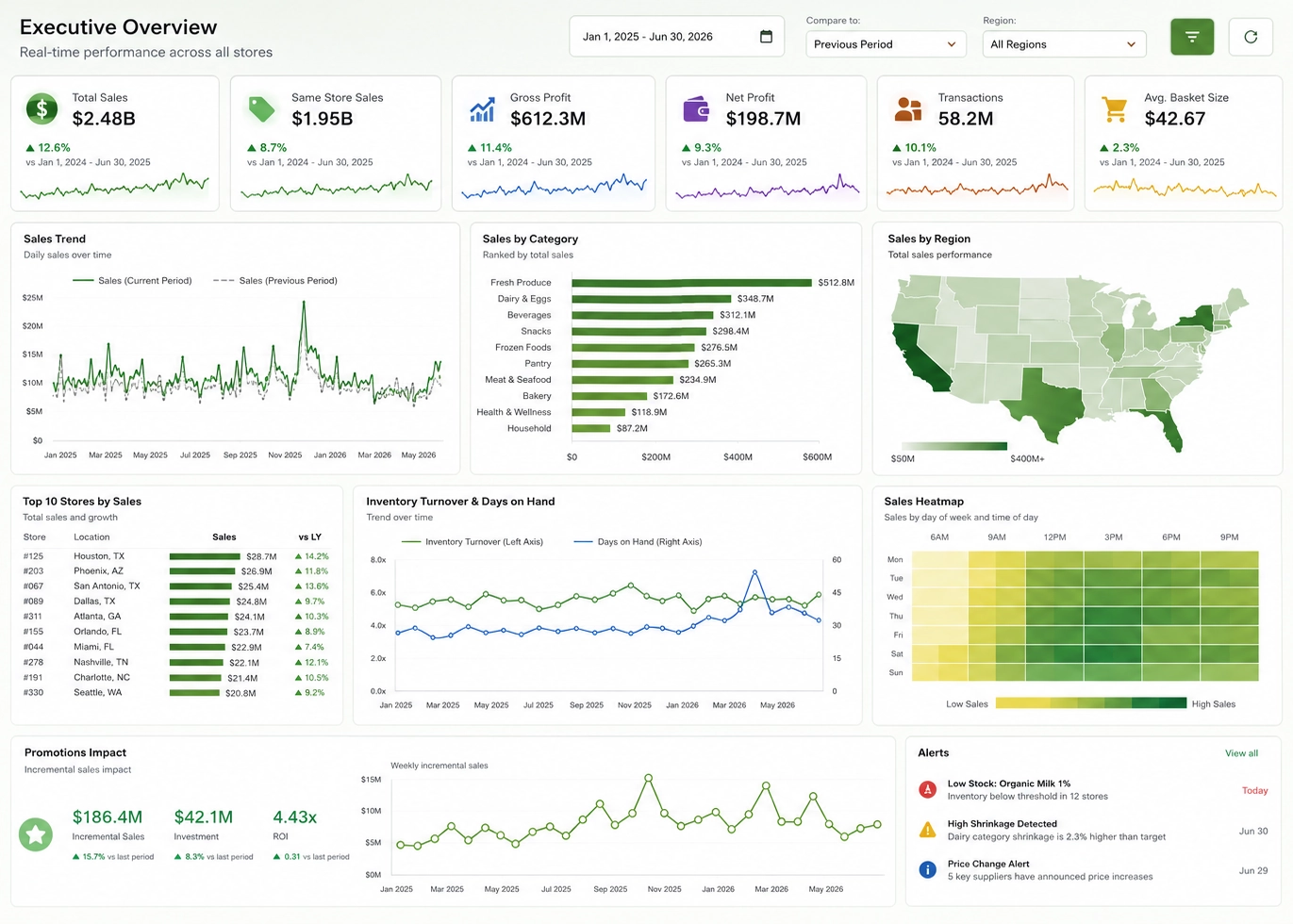
Why Metric Drift Is a Problem
Metric drift can undermine confidence in analytics and business intelligence systems. When teams notice discrepancies between reports or discover changes in KPI definitions, trust in data may decline.
Drift also weakens trend analysis. Reliable forecasting depends on consistent measurements over time. If metrics evolve without proper governance, historical comparisons become misleading and strategic decisions may be based on inaccurate assumptions.
Regulatory reporting, financial reporting, and performance benchmarking can also be affected when metric definitions change without adequate documentation and oversight.
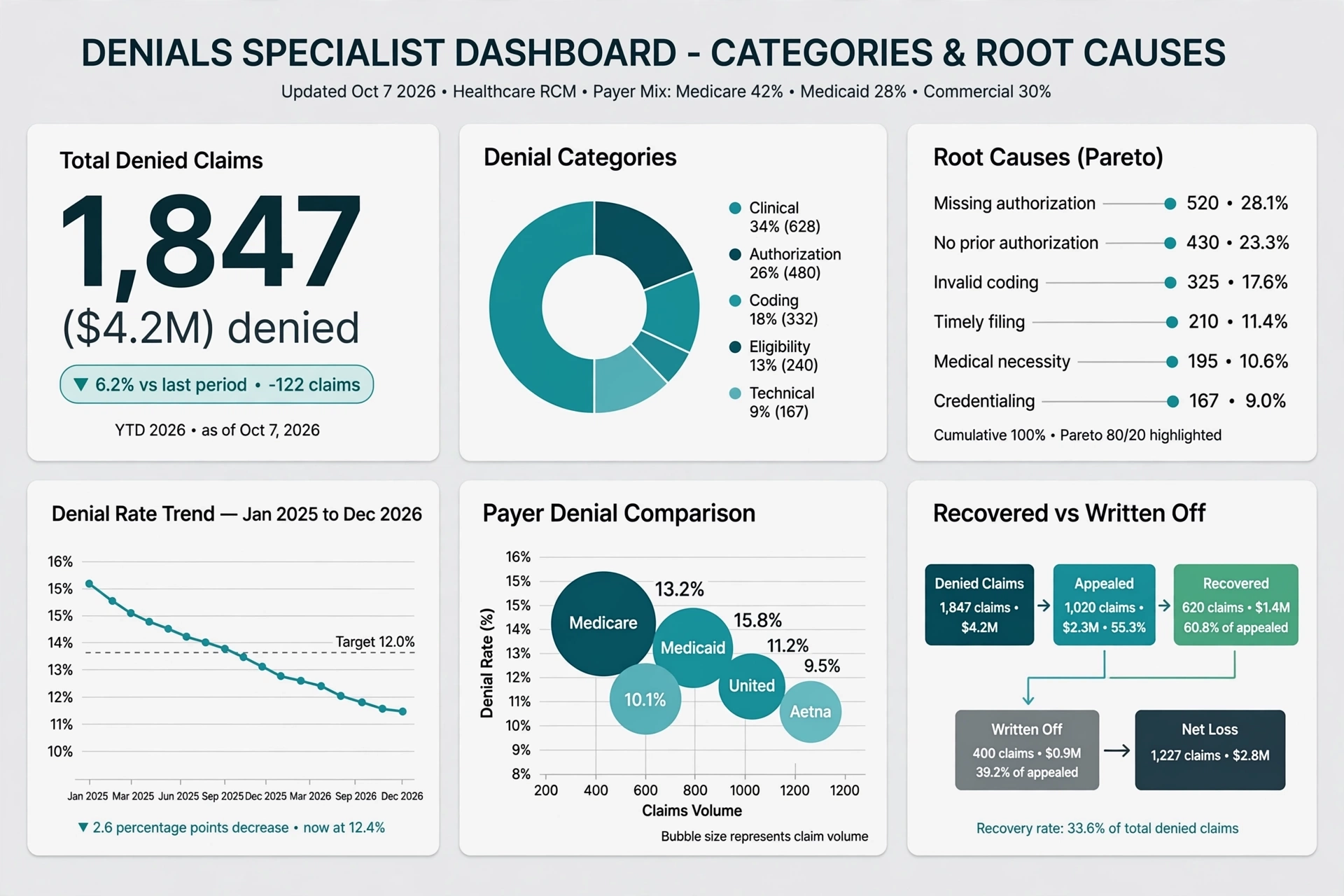
How to Identify Metric Drift
- Sudden changes in KPI values without corresponding business events.
- Conflicting results across dashboards and reports.
- Differences between department-specific calculations.
- Missing documentation for KPI definitions.
- Frequent modifications to reporting logic.
- Difficulty reproducing historical reports.
How to Prevent Metric Drift
Establish Metric Governance
Organizations should create formal processes for defining, approving, and updating metrics. Governance helps ensure that changes are reviewed and communicated consistently.
Maintain a KPI Dictionary
A KPI dictionary or metric catalog documents definitions, formulas, ownership, business rules, and calculation methodologies. This documentation makes metric changes transparent and easier to track.
Use a Metrics Layer
Centralized metrics layers provide a single source of truth for KPI definitions and calculations, reducing the likelihood of metric drift across reporting environments.
Version Metric Definitions
Organizations should maintain version histories for important metrics. If formulas change, stakeholders can understand exactly when modifications occurred and how they affect historical reporting.
Perform Regular Audits
Periodic reviews of KPI definitions, data lineage, and dashboard logic help identify drift before it creates significant reporting problems.
Metric Drift vs. Data Drift
Metric drift and data drift are related but distinct concepts. Metric drift occurs when the definition or calculation of a KPI changes. Data drift occurs when the underlying characteristics of the data itself change over time. Both can affect analytics accuracy, but metric drift primarily concerns business logic while data drift concerns the behavior of the data being analyzed.
Ensure Trustworthy Analytics
Metric drift occurs when business metrics gradually change in definition, calculation, or interpretation over time. These changes can result from evolving business requirements, new data sources, system updates, or inconsistent governance practices. By implementing metric governance, maintaining a KPI dictionary, using a centralized metrics layer, and documenting changes carefully, organizations can preserve metric consistency and ensure trustworthy analytics.
Frequently Asked Questions
What is metric drift?
Metric drift is the gradual change of a KPI's definition, formula, or business meaning over time, making historical comparisons less reliable.
What causes metric drift?
Common causes include changes to business rules, KPI formulas, data sources, reporting systems, and inconsistent departmental definitions.
Why is metric drift important?
Metric drift can lead to inaccurate reporting, misleading trend analysis, reduced trust in analytics, and poor business decisions.
How can organizations prevent metric drift?
Organizations can reduce metric drift through KPI governance, metric documentation, metrics layers, version control, and regular audits.
What is the difference between metric drift and data drift?
Metric drift involves changes to KPI definitions and calculations, while data drift refers to changes in the characteristics of the underlying data being analyzed.