Why Choose Open Source StyleBI Over PostHog
Organizations evaluating analytics platforms often compare application analytics tools with broader business intelligence solutions. Both can deliver insights, but they address different needs. PostHog focuses heavily on product analytics, event tracking, and behavioral monitoring within applications. Open source StyleBI, on the other hand, provides a comprehensive business intelligence platform designed to transform data from many systems into dashboards, reports, and self-service analytics.
Choosing the right platform depends on the scope of analytics required. When organizations need unified reporting across departments, flexible data mashups, interactive dashboards, and open architecture, StyleBI offers significant advantages. Its open source foundation, broad data integration capabilities, and visual analytics environment make it a strong alternative for teams that require more than product usage tracking.

Broader Business Intelligence Capabilities
PostHog specializes in analyzing user behavior within digital products. It tracks events, funnels, feature usage, and product engagement metrics. While this functionality is valuable for product teams and growth engineers, it does not address the broader analytics needs that most organizations eventually encounter.
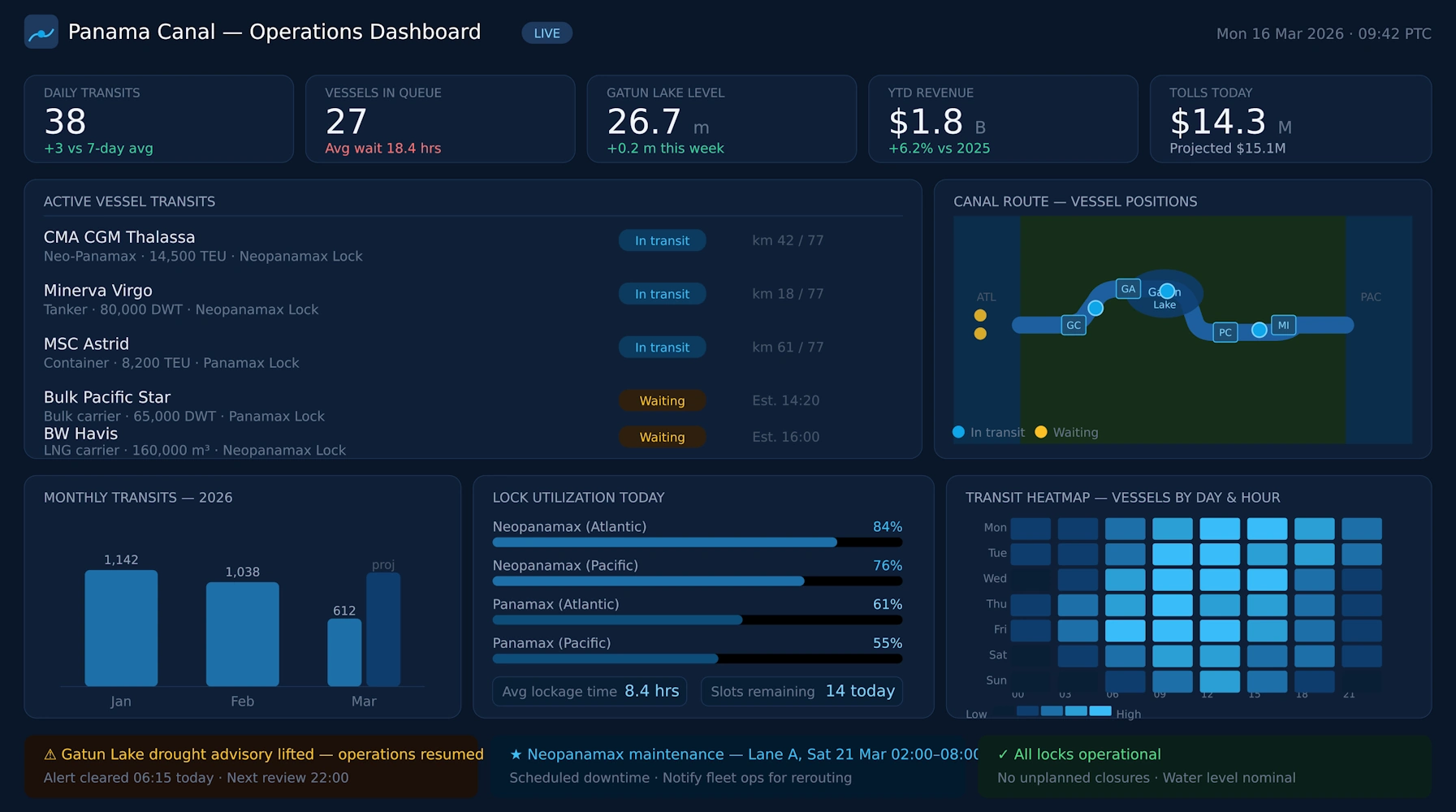
StyleBI is designed as a full business intelligence platform. It supports dashboards, reporting, data exploration, and visual analysis across every operational area of an organization. Finance teams can monitor revenue performance. Operations teams can track efficiency metrics. Marketing teams can analyze campaign results. Executives can review high-level performance indicators through real-time dashboards.
This wider scope allows organizations to consolidate analytics into a single environment rather than using separate tools for product analytics, operational reporting, and management dashboards.
Open Source Transparency and Control
One of the most important reasons organizations choose StyleBI is its open source foundation. Open source software provides transparency into how the platform works, allowing teams to inspect, modify, and extend functionality according to their needs.
With proprietary analytics platforms, organizations often rely on vendor roadmaps for feature improvements. If the vendor prioritizes other capabilities, teams must wait or adapt their workflows. Open source platforms provide greater independence. Developers can customize integrations, extend the platform, or adjust configurations without vendor limitations.
Transparency also improves security and trust. Organizations can review the codebase, audit data flows, and confirm that data handling processes align with internal policies and regulatory requirements.
Flexible Data Mashup Capabilities
Modern organizations collect data from many systems including databases, cloud services, enterprise applications, spreadsheets, and APIs. An analytics platform must combine these sources effectively to deliver meaningful insights.
StyleBI includes a powerful data mashup engine that allows users to combine data from multiple sources without complex ETL pipelines. Business users and analysts can join datasets, transform fields, and prepare analytics-ready data within a visual interface.
This flexibility makes it possible to connect information across departments. Sales data from CRM systems can be combined with financial records. Operational metrics can be linked with supply chain data. Customer behavior data can be merged with marketing performance metrics.
PostHog focuses primarily on event data generated by digital applications. While it integrates with other tools, its core architecture is optimized for behavioral event streams rather than general-purpose data mashups across enterprise systems.
Rich Dashboard and Visualization Environment
Interactive dashboards remain one of the most effective ways to communicate insights across organizations. StyleBI includes a robust visualization environment that allows teams to build sophisticated dashboards using charts, tables, gauges, maps, heatmaps, and advanced visual components.
These dashboards support drill-down analysis, filtering, interactive exploration, and responsive layouts. Users can navigate from high-level metrics to detailed operational data with just a few clicks.
The visual analytics environment also supports pixel-perfect report creation for operational reporting, automated scheduled report distribution, and executive briefings. This combination of dashboards and reporting tools provides flexibility for many use cases.
PostHog dashboards are optimized for product usage analysis. They work well for product teams monitoring funnels, feature adoption, and user retention metrics. However, organizations seeking broad visualization options and cross-department reporting may find StyleBI more suitable.

Self-Service Analytics for Business Users
Data-driven organizations increasingly prioritize self-service analytics. Instead of relying exclusively on data engineering teams to generate reports, business users should be able to explore data independently.
StyleBI includes tools that allow nontechnical users to build dashboards, explore datasets, and perform ad hoc analysis without writing complex queries. Drag-and-drop interfaces make it easier to create visualizations and analyze trends.
This approach accelerates decision-making because insights can be generated directly by the teams closest to the business questions. Marketing analysts can explore campaign data, operations managers can monitor efficiency metrics, and finance teams can review revenue performance without waiting for specialized report development.
PostHog supports exploration within the context of product analytics but does not provide the same breadth of self-service capabilities for enterprise reporting across diverse datasets.
Scalable Architecture for Enterprise Data
As organizations grow, their analytics requirements expand. Data volumes increase, new systems are added, and reporting demands become more complex. Platforms must scale to support these evolving needs.
StyleBI is designed to operate across large datasets and enterprise environments. It can connect to cloud data warehouses, relational databases, big data platforms, and enterprise applications. The architecture supports distributed data processing and real-time dashboard updates.
Because StyleBI can operate on top of existing data infrastructure, organizations maintain flexibility in how they store and manage data. The platform acts as a visualization and analytics layer rather than requiring data to be stored exclusively in a proprietary environment.
PostHog's architecture focuses primarily on capturing and analyzing application event streams. While it handles large volumes of event data efficiently, its scope remains narrower compared with a full enterprise analytics platform.

Customization and Extensibility
Open architecture provides a significant advantage for organizations with specialized requirements. StyleBI allows developers to extend the platform using APIs, custom components, and integration frameworks.
This flexibility enables organizations to embed dashboards within internal applications, integrate analytics into customer portals, or build custom workflows around reporting processes. Developers can tailor the user experience to match internal tools or external products.
Customization also supports industry-specific analytics needs. Healthcare organizations can design clinical performance dashboards. Manufacturing teams can track production metrics. Logistics providers can analyze shipment flows and operational efficiency.
PostHog provides integration capabilities for product analytics workflows but is less focused on serving as a general-purpose analytics platform embedded throughout enterprise systems.
Unified Analytics Across Departments
One of the most significant limitations of specialized analytics tools is fragmentation. Product teams may use one platform to track user behavior. Marketing teams may rely on another system for campaign analytics. Finance departments may generate reports from separate tools.
This fragmentation creates data silos and inconsistent metrics. Leaders struggle to gain a unified view of organizational performance because insights are scattered across multiple systems.
StyleBI addresses this challenge by serving as a centralized analytics platform that consolidates data across departments. Dashboards can present metrics from sales, marketing, finance, operations, and product systems in one interface.
When teams work from shared dashboards and consistent datasets, collaboration improves. Decision-making becomes faster because everyone works from the same source of truth.

Cost Efficiency Through Open Source
Cost considerations often influence platform selection, especially for organizations scaling their analytics capabilities. Open source platforms can provide significant economic advantages compared with proprietary subscription-based tools.
StyleBI allows organizations to deploy the platform without the restrictive pricing models often associated with commercial analytics platforms. Teams can scale usage without worrying about per-event or per-seat costs increasing rapidly as adoption grows.
This flexibility makes it easier to expand analytics access across departments. Instead of limiting dashboards to a small group of users due to licensing costs, organizations can distribute insights broadly throughout the company.
PostHog offers open source options as well, but its pricing and architecture are still primarily optimized for product analytics use cases. For organizations requiring a full BI environment, StyleBI often provides a more cost-effective solution.
Advanced Reporting and Scheduled Distribution
Many organizations still rely on scheduled reports for operational monitoring and regulatory compliance. Executives often expect daily summaries, weekly performance reports, and monthly operational reviews.
StyleBI includes strong reporting capabilities that allow teams to design detailed reports and schedule automated delivery. Reports can be distributed through email, shared portals, or embedded systems.
These features are particularly useful for industries that require formal reporting processes, such as finance, healthcare, manufacturing, and logistics.
PostHog emphasizes interactive product analytics rather than structured enterprise reporting. Organizations requiring robust report generation may find StyleBI better suited to these needs.

Better Alignment With Enterprise Analytics Strategy
Organizations rarely implement analytics tools for a single purpose. Most aim to build a long-term analytics strategy that supports operational visibility, performance management, and strategic planning.
StyleBI aligns well with these goals because it provides the building blocks for a comprehensive analytics ecosystem. It integrates data sources, enables visual exploration, supports enterprise reporting, and allows dashboards to be embedded across business applications.
This flexibility allows organizations to evolve their analytics strategy over time without replacing the core platform.
PostHog excels in product analytics scenarios but does not address the full spectrum of enterprise analytics requirements. For organizations seeking a unified platform capable of supporting multiple departments and evolving analytical needs, StyleBI provides a broader and more adaptable solution.
Choosing the Right Platform
Both StyleBI and PostHog offer powerful analytics capabilities, but they are designed for different priorities. PostHog serves product teams that need deep insight into user behavior within applications. StyleBI supports organizations that require comprehensive business intelligence across many data sources and departments.
When analytics needs extend beyond product usage tracking into enterprise reporting, cross-system data mashups, and organization-wide dashboards, open source StyleBI becomes a compelling choice. Its flexibility, transparency, and scalable architecture allow teams to build a unified analytics environment that supports both current operations and future growth.