Solving a Customer-Facing Device Data Platform Challenge
Organizations increasingly rely on data generated by distributed networks of devices to deliver value to their customers. These devices, often owned and operated by customers themselves, periodically transmit structured records to a central platform. While individual devices may generate only modest volumes of data, the collective system must remain reliable, scalable, and secure as the network grows.
In a typical scenario, an organization is tasked with designing a customer-facing data platform that meets core requirements. First, customers must be able to access their own raw device data in a secure and isolated manner. Second, the organization needs an analytics layer that supports validation, transformation, aggregation, and the possibility of more advanced analysis in the future. Third, customers require customer dashboards that present clear and intuitive analytics about their devices without requiring technical expertise.
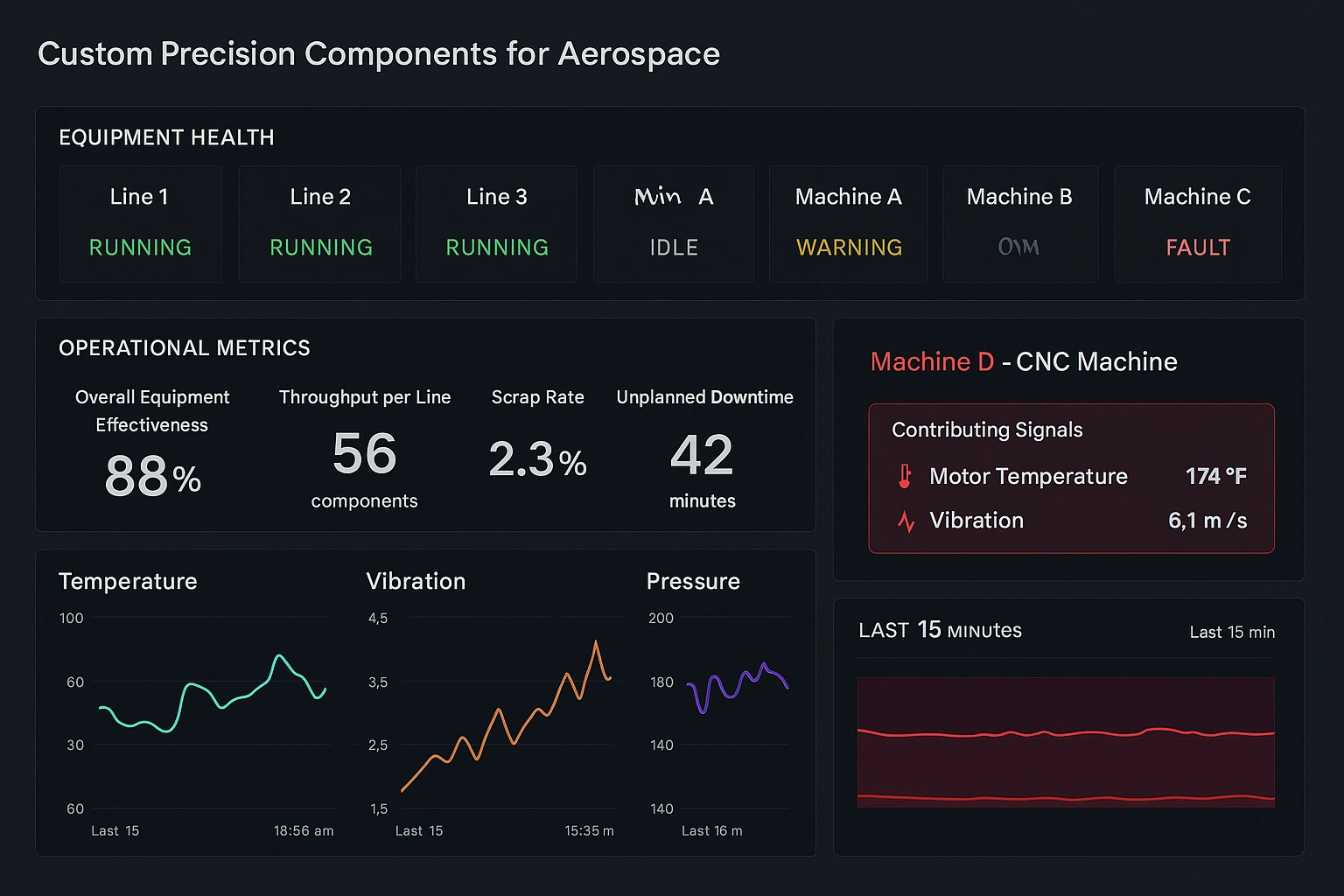
Importantly, this type of system does not always require real-time data processing. In many cases, refreshing data once per day is sufficient, shifting the focus away from low-latency streaming and toward correctness, reliability, and long-term maintainability. The real challenge lies not in handling massive scale, but in making thoughtful architectural decisions that avoid unnecessary complexity while still allowing room for growth.
How StyleBI Addresses the Challenge
StyleBI is well suited to solving this kind of problem because it approaches analytics as an end-to-end system rather than a collection of disconnected tools. Instead of focusing solely on dashboards or storage technologies, StyleBI considers how data moves from ingestion to analysis to presentation, and how each step affects the customer experience.
Clarifying Requirements and Architecture
One of the most common sources of failure in device-driven data platforms is ambiguity. Teams often begin implementation without clearly defining what constitutes the source of truth, how data will be validated, or which datasets will be exposed to customers. StyleBI begins by translating vague requirements into explicit decisions.
This includes defining where raw data lives, how it is transformed, which datasets are customer-facing, and what level of latency is acceptable. By answering these questions early, StyleBI helps organizations avoid overengineering while ensuring the system remains adaptable as needs evolve.
Reliable Ingestion Without Unnecessary Complexity
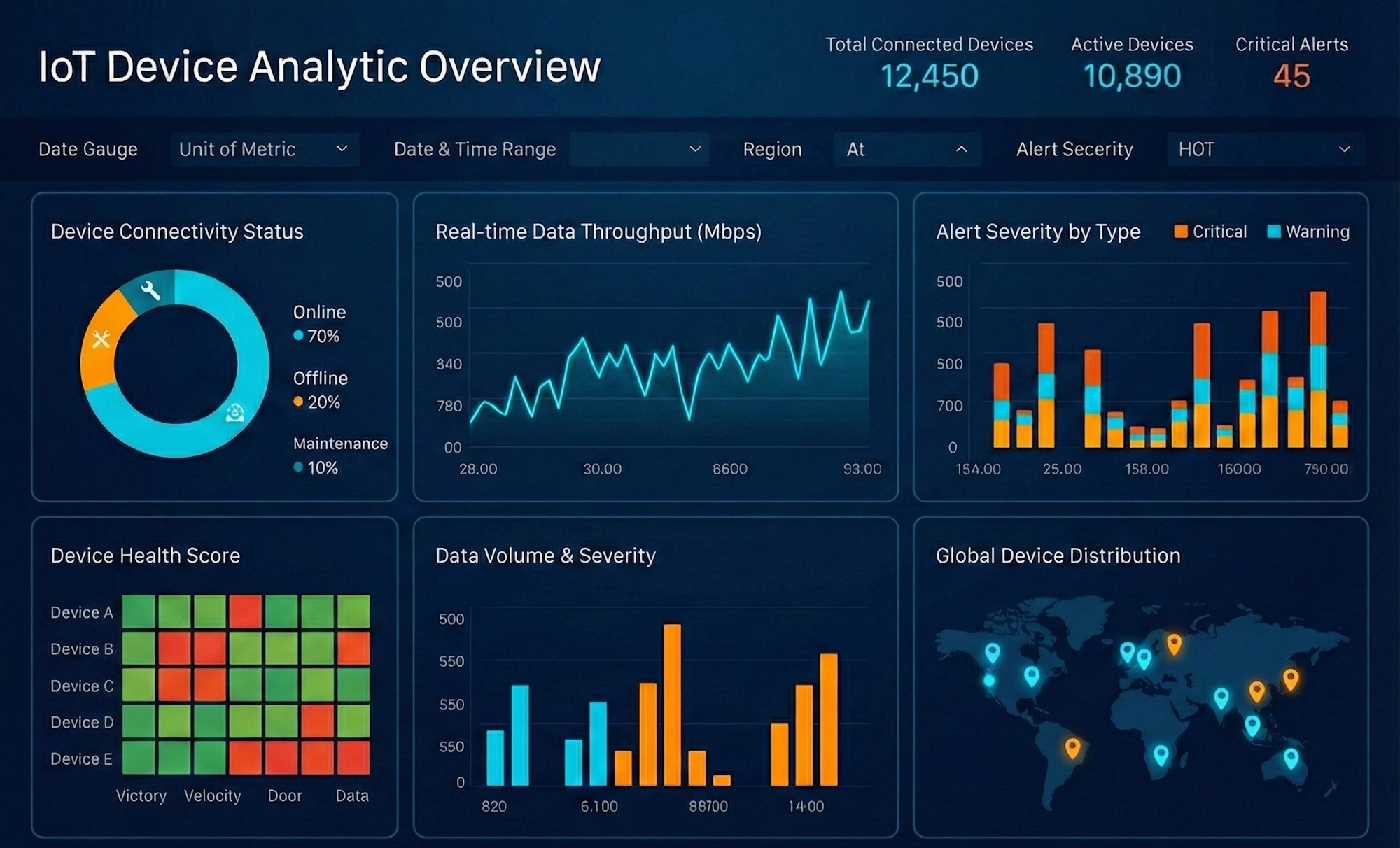
For moderate-volume device networks, reliability is more important than raw throughput. StyleBI emphasizes ingestion patterns that are simple, observable, and resilient. Rather than pushing complexity directly into analytics systems, StyleBI promotes a clear separation between ingestion, storage, and analytics.
This design ensures that incoming data can be validated and buffered, failures can be detected and retried, and data loss is avoided. At the same time, it prevents teams from introducing heavy real-time infrastructure when batch-oriented processing is sufficient.
Analytics Models Designed for Customers
A frequent mistake in analytics platforms is exposing raw tables that make sense only to engineers. StyleBI prioritizes semantic modeling, organizing datasets around how customers think about their devices and usage rather than how the data was ingested.
This means consistent naming, well-documented fields, clear ownership boundaries, and aggregations that align with customer expectations. As a result, both dashboards and direct data access become easier to use, more trustworthy, and more resilient to change.
Customer Dashboards as Products
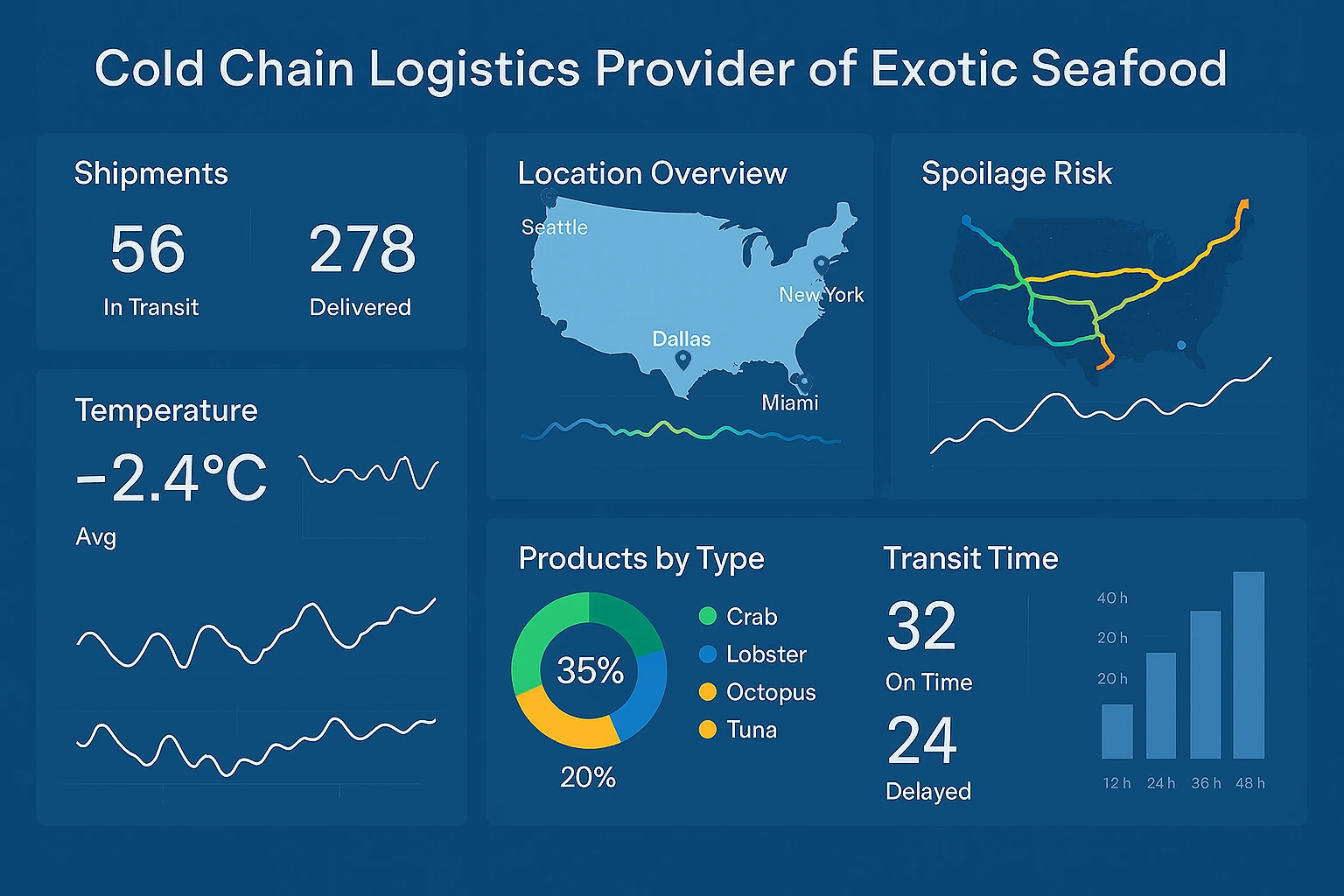
StyleBI treats dashboards not as technical outputs, but as products in their own right. Visual design, layout, and interaction patterns are all considered essential to delivering value. Dashboards are designed to load predictably, emphasize the most important metrics, and avoid visual clutter or misleading representations.
For customers, this translates into confidence and clarity. They can quickly answer practical questions about device behavior, trends over time, and potential issues. For the organization, well-designed dashboards reduce support overhead and increase trust in the platform.
Secure and Scalable Customer Data Access
Allowing customers to access raw data is powerful, but it introduces significant security concerns if handled incorrectly. StyleBI helps organizations design access controls that enforce strict isolation between customers while still enabling self-service exploration and data export.
This includes embedding customer identifiers into the data model, applying consistent filtering logic across dashboards and exports, and ensuring access patterns are auditable. Because analytics and dashboards are built on the same semantic layer, customers see a consistent story regardless of how they access their data.

Avoiding Common Pitfalls
StyleBI’s experience across many analytics implementations helps teams avoid common mistakes. These include treating devices as trusted users, hard-coding assumptions about data behavior, allowing uncontrolled schema drift, or exposing raw ingestion tables directly to customers.
Instead, StyleBI promotes defensive design principles. Devices are treated as untrusted sources, late or malformed data is expected, and governance is built into the system from the start.
Designed for Growth
Even when daily data refreshes are sufficient initially, StyleBI ensures that the system can evolve. Refresh frequencies can be increased, new metrics can be introduced, and advanced analytics can be layered on without requiring a complete redesign.
This balance between simplicity and future readiness allows organizations to deliver value quickly today while remaining prepared for tomorrow.

Align Architecture, Analytics, and Design
What distinguishes StyleBI is not a single technology choice, but its ability to align architecture, analytics, and design into a cohesive whole. For organizations building customer-facing analytics on device-generated data, this cohesion is essential.
By turning loosely defined requirements into a clear, scalable, and well-designed analytics platform, StyleBI helps organizations deliver systems that customers trust and teams are proud to maintain.