Why Are Certified Metrics Important?
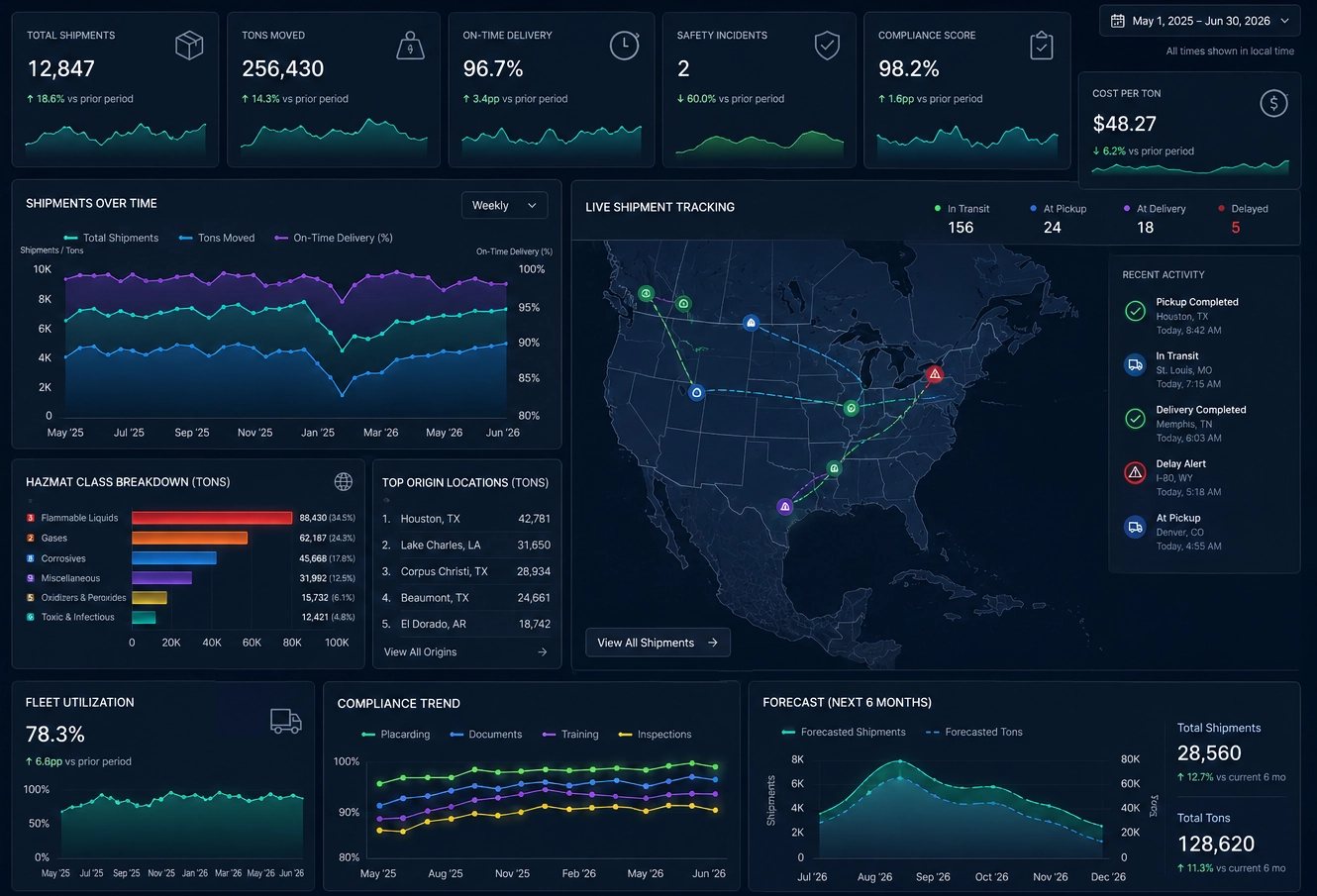
Business leaders make strategic decisions based on metrics. If different
departments use different calculations for the same KPI, reports can produce
conflicting results. Certified metrics create consistency and help establish a
single source of truth.
Certification also increases trust in business intelligence initiatives. When
users know that a KPI has been reviewed and approved, they are more likely to
trust dashboards, reports, and self-service analytics
tools.
Organizations that implement metric certification typically experience fewer
reporting disputes, faster decision-making, and stronger data governance.
Characteristics of a Certified Metric
Although certification processes vary among organizations, certified metrics
usually share several important characteristics:
- Clearly documented business definition.
- Approved calculation methodology.
- Identified data sources.
- Assigned business owner.
- Established quality controls.
- Validated reporting logic.
- Periodic review and governance procedures.
These requirements help ensure that certified metrics remain accurate, consistent,
and aligned with business objectives.
How Does Metric Certification Work?
The certification process begins by documenting the metric and its purpose.
Business stakeholders, analysts, and data governance teams review the KPI
definition, formula, and supporting data sources. Once reviewed, the metric is
tested for accuracy and compared against existing reports and
dashboards.
After validation, authorized stakeholders approve the metric and publish it within
a metric catalog, KPI dictionary, data catalog, or business intelligence platform.
The certification status is then visible to report developers and business users.
Many organizations also establish governance processes that require periodic
re-certification whenever underlying business rules, source systems, or formulas
change.
Certified Metrics vs. Uncertified Metrics
Certified metrics have undergone formal review and approval, while uncertified
metrics may exist only within individual reports, spreadsheets, or departmental
dashboards.
Uncertified metrics are not necessarily incorrect, but their definitions and
calculations may not have been validated across the organization. As a result,
users may question their reliability or interpret them differently.
Certified metrics reduce these risks by providing transparency, accountability,
and organizational agreement regarding KPI definitions and calculations.
Certified Metrics and Data Governance
Metric certification is a fundamental component of data governance. Governance
teams use certification to establish standards for how KPIs are defined,
maintained, and monitored over time.
Certification supports broader governance objectives such as data quality,
consistency, compliance, auditability, and business alignment. It also helps
organizations maintain confidence in reporting as systems and business processes
evolve.
Where Are Certified Metrics Managed?
Certified metrics are commonly maintained within KPI dictionaries, business metric
catalogs, data governance platforms, business intelligence environments, and
enterprise data catalogs.
These repositories provide a centralized location where users can review metric
definitions, understand calculation logic, identify owners, and verify
certification status before using a KPI in
reports or analyses.
Benefits of Certified Metrics
- Improved reporting consistency.
- Greater trust in dashboard results.
- Reduced KPI disputes between departments.
- Better data governance and oversight.
- Faster decision-making.
- More accurate performance measurement.
- Stronger regulatory and audit support.
By establishing trusted measurements, organizations can spend less time debating
numbers and more time acting on insights.
A Trusted Source of Business Measurement
A certified metric is a formally approved, governed, and validated KPI that serves
as a trusted source of business measurement. Certification ensures that metric
definitions, calculations, and data sources are consistent across the organization.
As companies expand their analytics programs and self-service reporting
capabilities, certified metrics become increasingly important for maintaining data
accuracy, transparency, and confidence in business decisions.
Frequently Asked Questions
What is a certified metric?
A certified metric is a KPI that has been reviewed, validated, approved, and
governed according to organizational standards.
Why do organizations certify metrics?
Organizations certify metrics to improve consistency, reduce reporting conflicts,
and establish trusted business measurements.
Who approves certified metrics?
Certified metrics are typically approved by business stakeholders, data
governance teams, analysts, and metric owners.
Can certified metrics change over time?
Yes. Certified metrics can be updated when business requirements, data sources,
or calculation methods change, usually through a formal governance process.
What is the difference between a certified and uncertified metric?
Certified metrics have been formally validated and approved, while uncertified
metrics may not have undergone organizational review or governance.