What Is Metric Debt?
Metric debt is the accumulation of inconsistencies, duplicate definitions, outdated calculations, and conflicting business metrics that make it difficult for an organization to trust and use data effectively. Similar to technical debt in software development, metric debt develops gradually as teams create reports, dashboards, spreadsheets, and analytics models without maintaining common definitions and governance standards.
Organizations often discover metric debt when different departments report different values for what appears to be the same business measure. Revenue, customer count, churn rate, profit margin, customer acquisition cost, and employee turnover are common metrics that can have multiple definitions across an enterprise. As metric debt grows, confidence in analytics declines and decision-making becomes slower and more difficult.
With the increasing adoption of self-service analytics, cloud data platforms, artificial intelligence, and enterprise reporting systems, managing metric debt has become a critical part of modern data governance.

Understanding Metric Debt
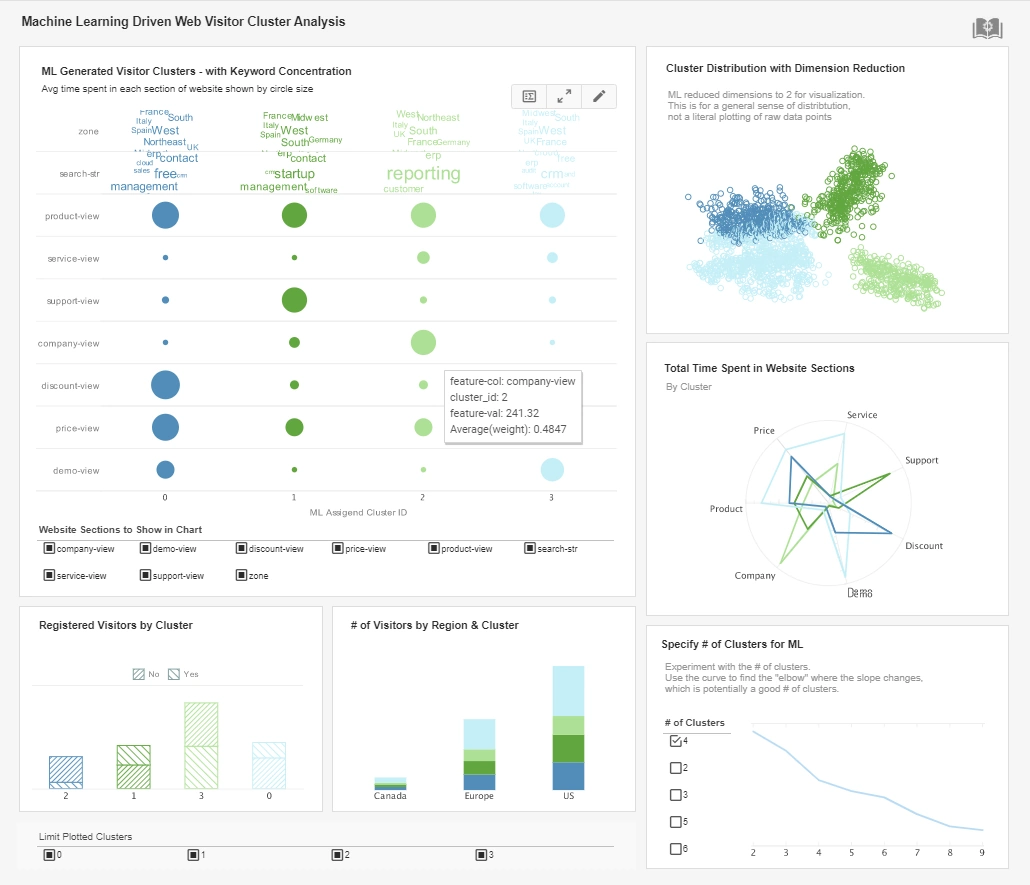
Metric debt occurs when business metrics are not managed as strategic assets. Instead of maintaining a centralized definition for important measures, organizations allow multiple departments, analysts, and business units to create their own calculations.
Over time, these independent definitions multiply. Marketing may calculate customer acquisition cost differently than finance. Sales may define active customers differently than customer success. Executives may receive reports generated from different systems that display conflicting numbers.
The result is an environment where users spend more time validating metrics than acting on them.
Metric debt typically appears in organizations through:
- Inconsistent KPI definitions
- Multiple versions of business metrics
- Department-specific calculations
- Legacy reports that are no longer maintained
- Spreadsheet-based reporting processes
- Poor documentation of formulas
- Disconnected analytics systems
- Lack of data governance practices
Metric Debt vs. Technical Debt
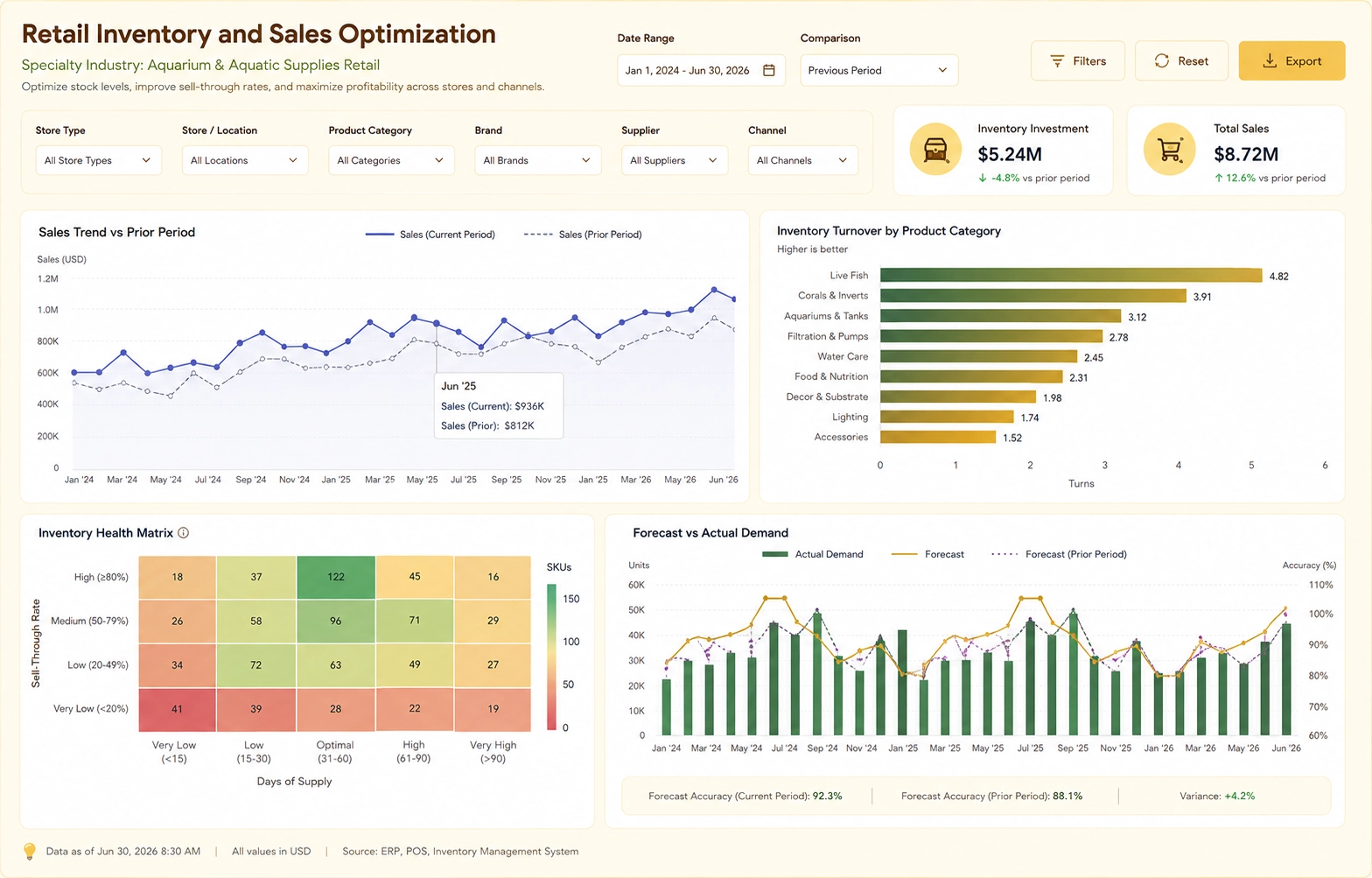
The concept of metric debt is derived from technical debt, which refers to the future costs created by short-term software development decisions.
Technical debt affects software quality, maintainability, and development speed. Metric debt affects reporting quality, analytical consistency, and decision-making effectiveness.
Common Examples of Metric Debt
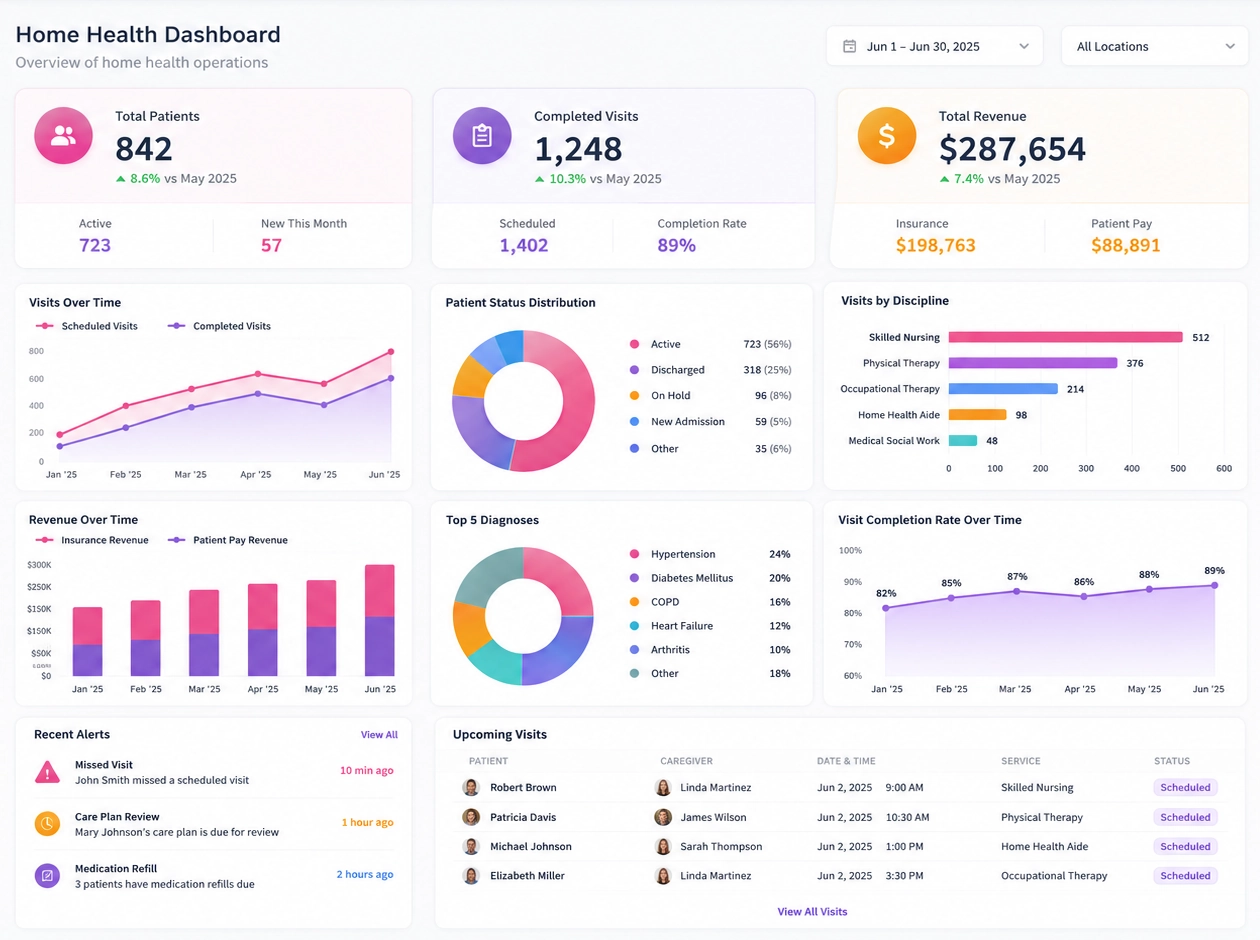
Metric debt affects organizations of all sizes and industries. Some of the most common examples include:
Revenue Calculations
A finance department may report recognized revenue while a sales department reports booked revenue. Executives comparing dashboards from both teams may see significantly different results. As financial teams adopt new AI tools, Conversational AI for Finance can help users access financial information and get answers to routine questions more efficiently, provided the underlying data is accurate and consistent.
Customer Counts
One business unit may define a customer as a paying account, while another counts any registered user. Even simple metrics become unreliable when definitions vary.
Employee Metrics
Human resource departments often maintain turnover calculations that differ from executive scorecards or operational reports.
Retention and Churn
Subscription businesses frequently develop multiple churn formulas over time, resulting in dashboards that report contradictory retention trends.
Marketing Attribution
Marketing and sales teams may assign revenue credit using different attribution models, causing disputes about campaign effectiveness.
What Causes Metric Debt?
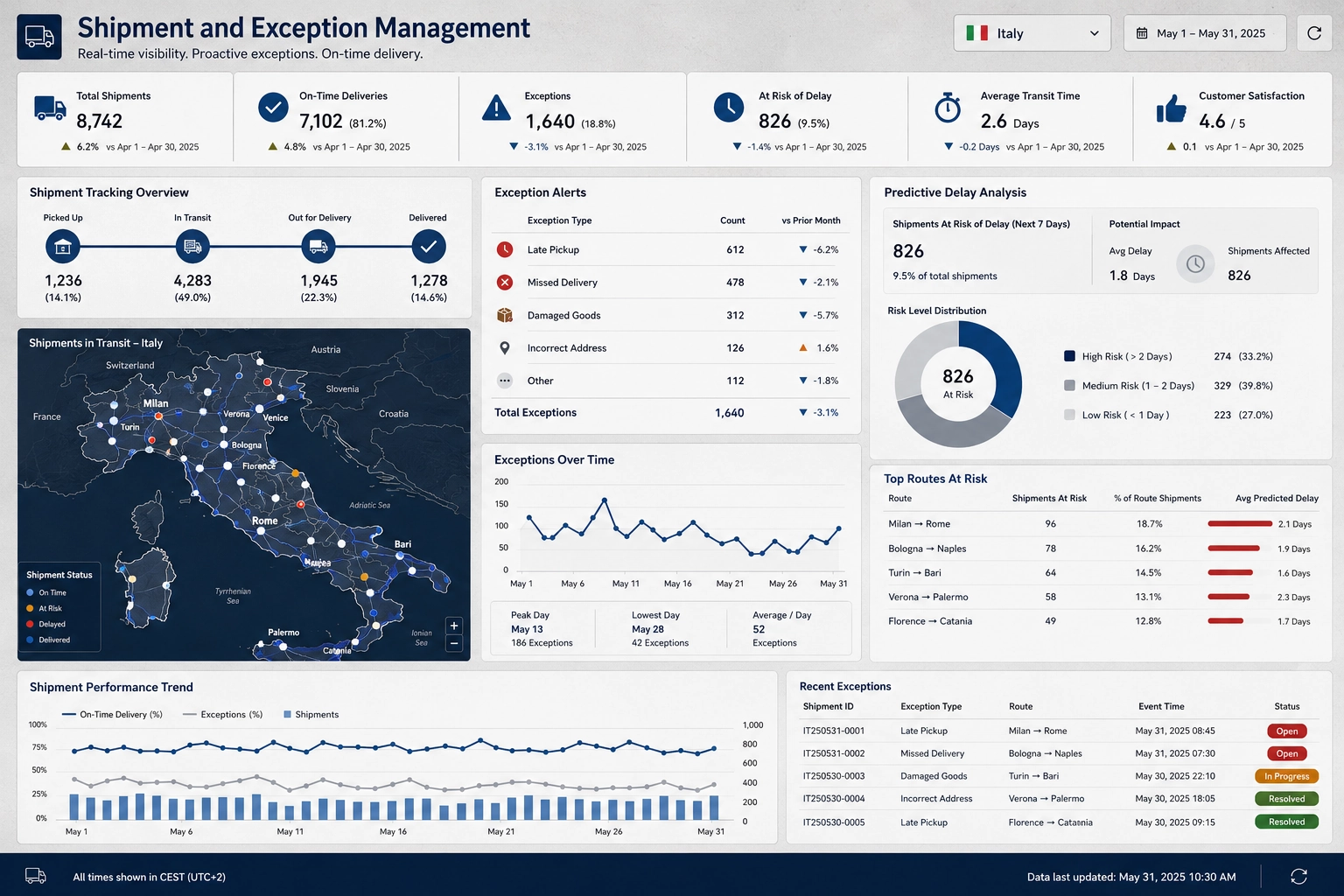
Metric debt rarely appears overnight. It develops gradually through organizational growth, technology changes, and insufficient governance.
Common causes include:
- Rapid business growth
- Multiple acquisitions or mergers
- Independent departmental reporting systems
- Legacy business intelligence platforms
- Poor documentation practices
- Uncontrolled spreadsheet usage
- Lack of data stewardship
- Frequent KPI changes without governance
- Conflicting business objectives
Many organizations prioritize dashboard development and reporting speed over metric standardization. While this approach may accelerate short-term delivery, it often increases long-term metric debt.
How Metric Debt Impacts Organizations
The effects of metric debt extend far beyond reporting accuracy.
Reduced Trust in Data
When reports consistently present conflicting numbers, users lose confidence in analytics systems and return to intuition-based decision-making.
Longer Analysis Cycles
Analysts spend significant time reconciling reports rather than generating insights. Simple questions may require lengthy investigations.
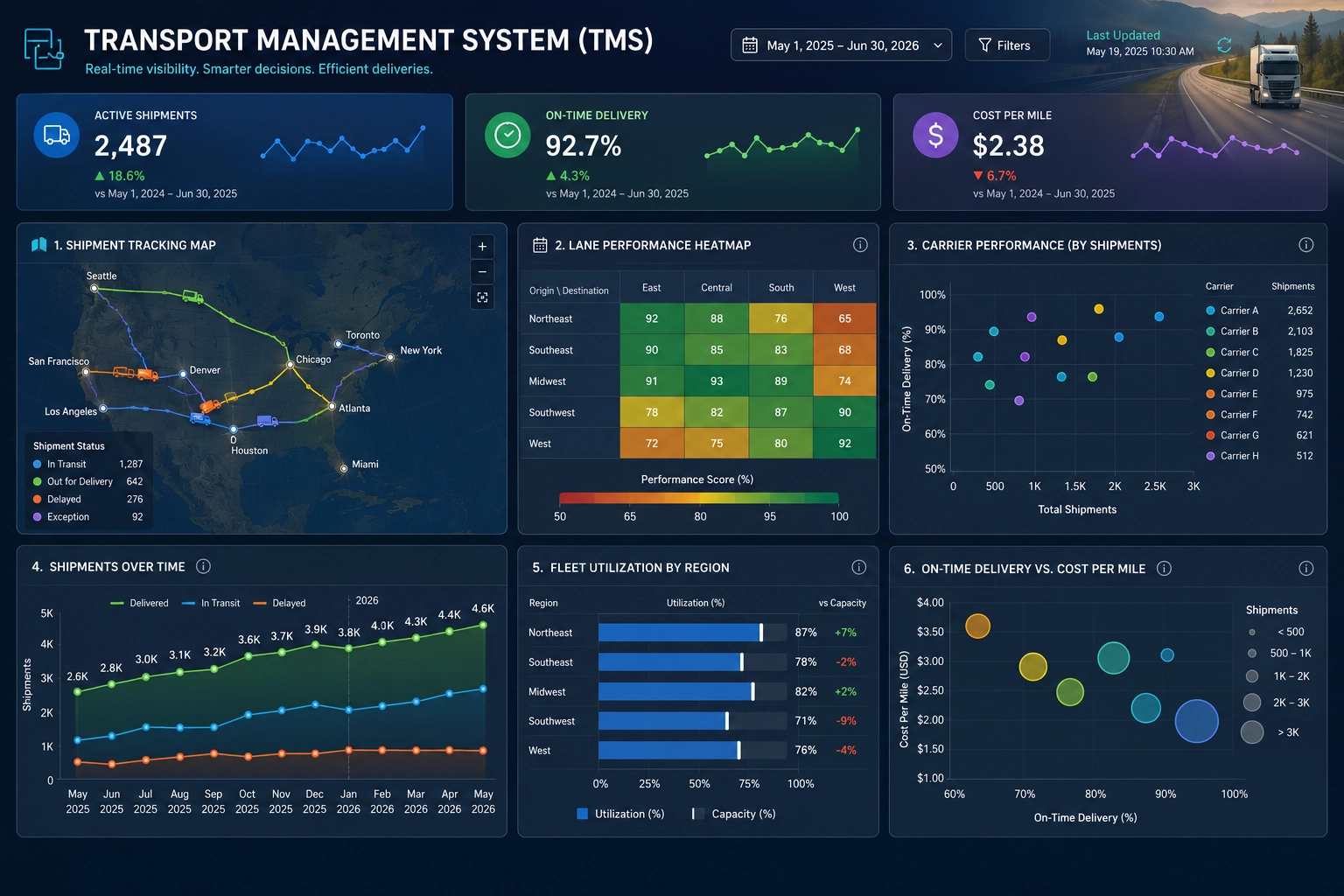
Poor Executive Decisions
Executives who receive conflicting performance measures may struggle to identify opportunities, risks, and strategic priorities.
Increased Operational Costs
Maintaining duplicate calculations across multiple systems increases reporting complexity and support costs.
AI and Analytics Challenges
Artificial intelligence applications depend on trustworthy business metrics. Inconsistent measures can lead to unreliable recommendations, forecasts, and automated decisions.
How to Identify Metric Debt
Organizations can often identify metric debt by asking a few important questions:
- Do different reports show different values for the same metric?
- Are KPI definitions documented and accessible?
- Do departments calculate metrics independently?
- Do executives frequently question dashboard numbers?
- Are analysts spending excessive time reconciling data?
- Are there multiple definitions for common business terms?
If the answer to several of these questions is yes, metric debt is likely affecting the organization.
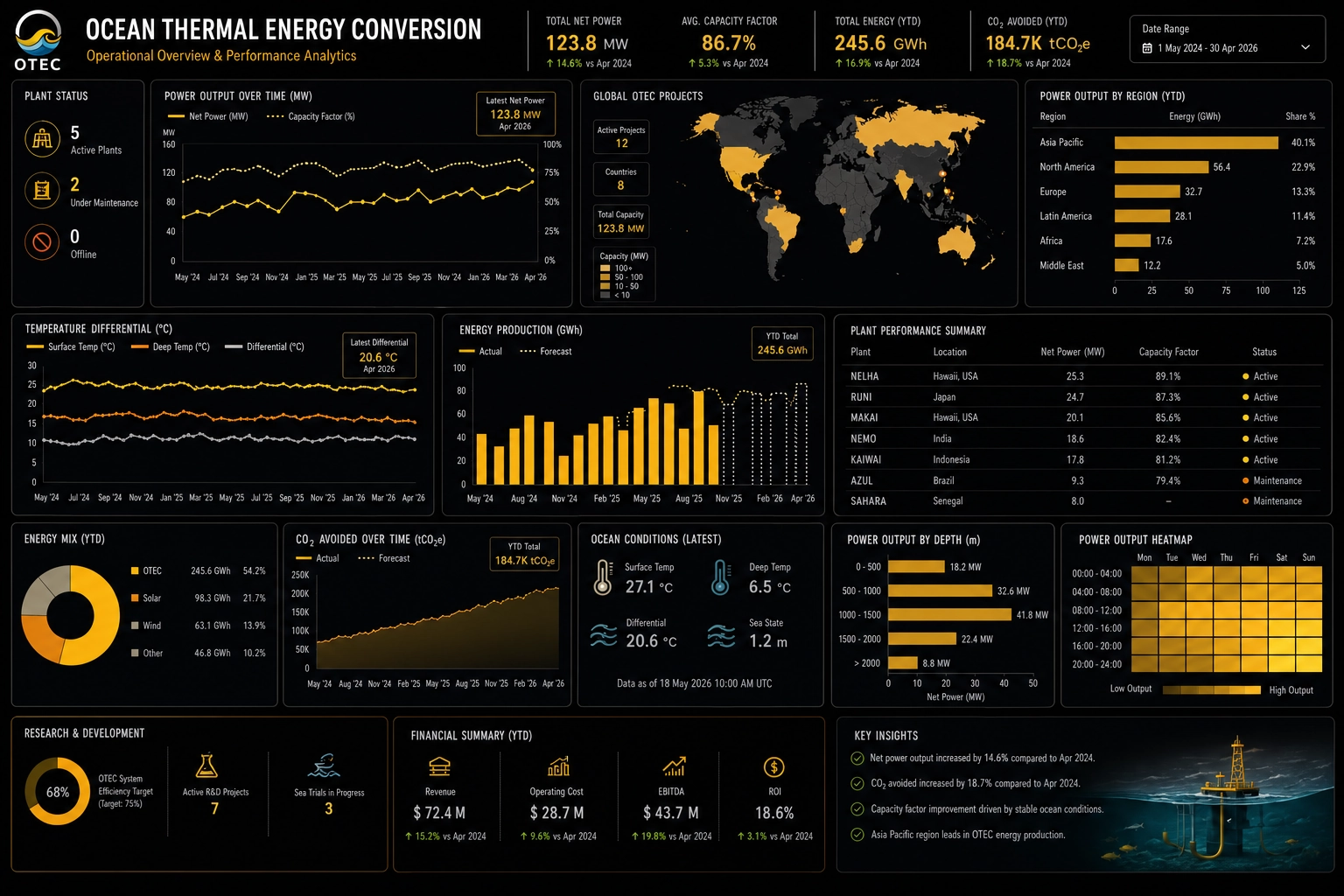
How Organizations Can Reduce Metric Debt
Reducing metric debt requires both governance and technology.
Create Standard Metric Definitions
Every important business metric should have a documented definition, owner, formula, and approved data source.
Establish Data Governance
Governance programs help ensure that metrics remain consistent across departments and reporting environments.
Maintain a Business Glossary
A centralized business glossary helps users understand metric definitions and reduces confusion.
Use a Semantic Layer
Semantic layers allow organizations to define metrics once and apply them consistently across dashboards, reports, and analytics tools.
Assign Metric Ownership
Every strategic metric should have a business owner responsible for maintaining its definition and usage standards.
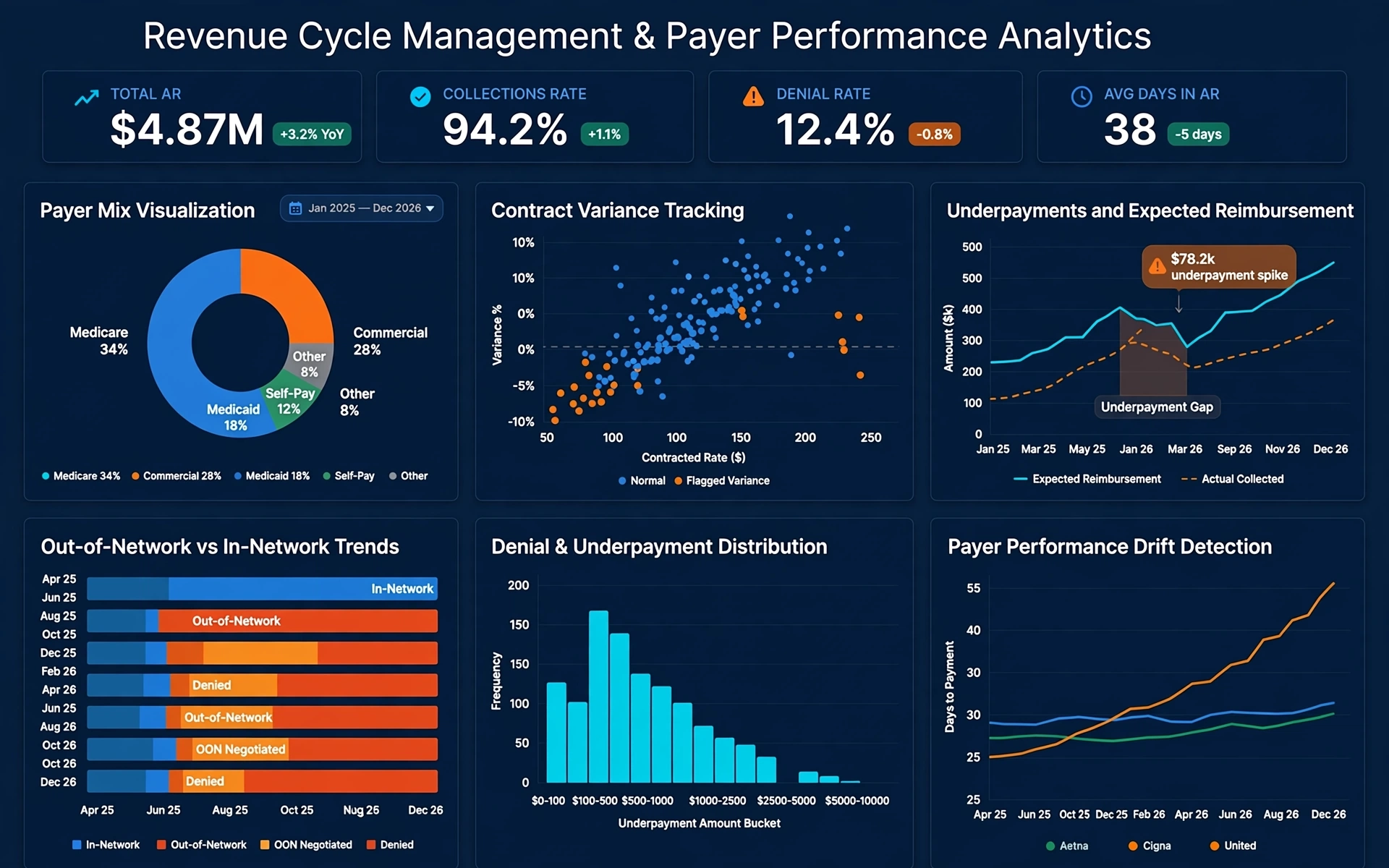
The Relationship Between Metric Debt and Self-Service Analytics
Self-service analytics enables users to explore data independently, but it can also accelerate metric debt when governance controls are weak. As more users create reports and dashboards, the number of metric definitions may increase significantly.
The most successful self-service analytics programs balance user freedom with centralized metric management. Standard definitions allow users to explore data confidently while preserving consistency across the organization.
Why Metric Debt Matters in Modern Business Intelligence
Modern organizations rely on dashboards, scorecards, predictive analytics, machine learning, and AI-powered decision support systems. All of these initiatives depend on trusted metrics.
When metric debt accumulates, organizations encounter inconsistent reporting, slower decision-making, lower confidence in analytics, and reduced business agility. Conversely, organizations that actively manage metric definitions gain faster reporting cycles, greater executive trust, and more effective use of business intelligence technologies.

Reduce Metric Debt
Metric debt is the accumulation of inconsistent, duplicate, and poorly governed business metric definitions throughout an organization. It creates confusion, reduces trust in analytics, and slows decision-making by throughout an organization. It creates confusion, reduces trust in analytics, and slows decision-making by forcing users to reconcile conflicting numbers.
Organizations can reduce metric debt through standardized KPI definitions, strong data governance, semantic layers, business glossaries, and clear metric ownership. As data-driven decision-making becomes increasingly important, managing metric debt is essential for maintaining accurate, reliable, and actionable business insights.