What Is Report Proliferation?
Report proliferation is the uncontrolled growth of reports, dashboards, spreadsheets, and analytics assets within an organization. It occurs when different departments, teams, or individuals create similar reports independently, resulting in hundreds or even thousands of reports that contain overlapping metrics, duplicated data, and inconsistent definitions.
While self-service business intelligence empowers users to create their own analyses, the absence of governance can lead to report proliferation. Over time, organizations struggle to determine which reports are accurate, current, and trusted for decision-making.
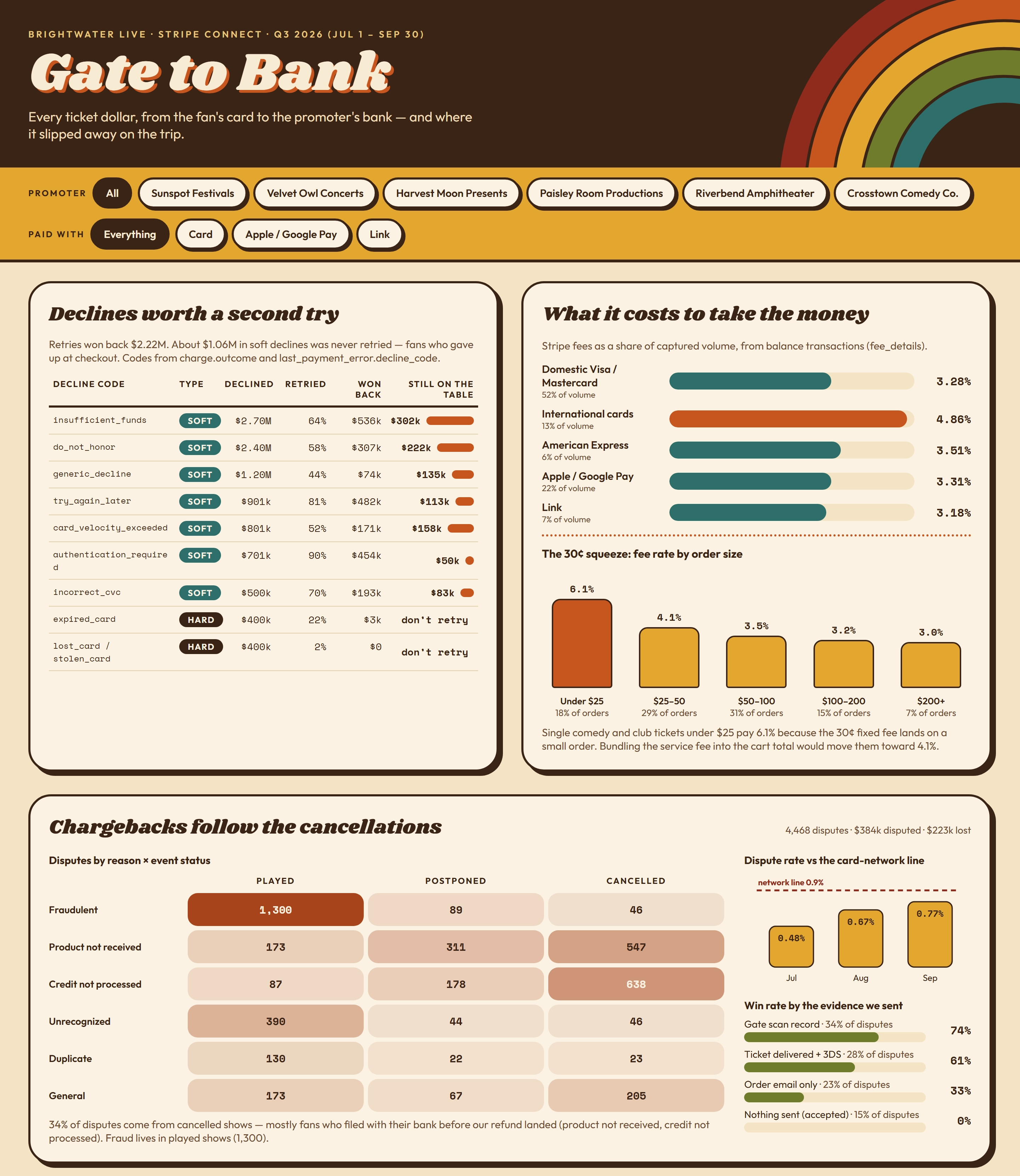

Definition of Report Proliferation
Report proliferation refers to the excessive creation and accumulation of reporting assets that serve similar or identical purposes. Instead of relying on a single authoritative source, multiple versions of reports emerge across teams and systems.
For example, a sales organization may have separate revenue reports maintained by finance, sales operations, regional managers, and individual analysts. Although each report attempts to answer the same business question, differing calculations and filters can lead to conflicting results.
How Report Proliferation Happens
Report proliferation typically develops gradually rather than through a single event. Common causes include:
- Lack of centralized reporting governance.
- Multiple teams creating reports independently.
- Inconsistent metric definitions.
- Growth in self-service analytics without oversight.
- Difficulty locating existing reports.
- Business users exporting data into spreadsheets.
- Mergers, acquisitions, and system migrations.
- Legacy reports that remain active after replacement.
As organizations scale, users often create new reports faster than old ones are retired, leading to reporting sprawl and duplication.
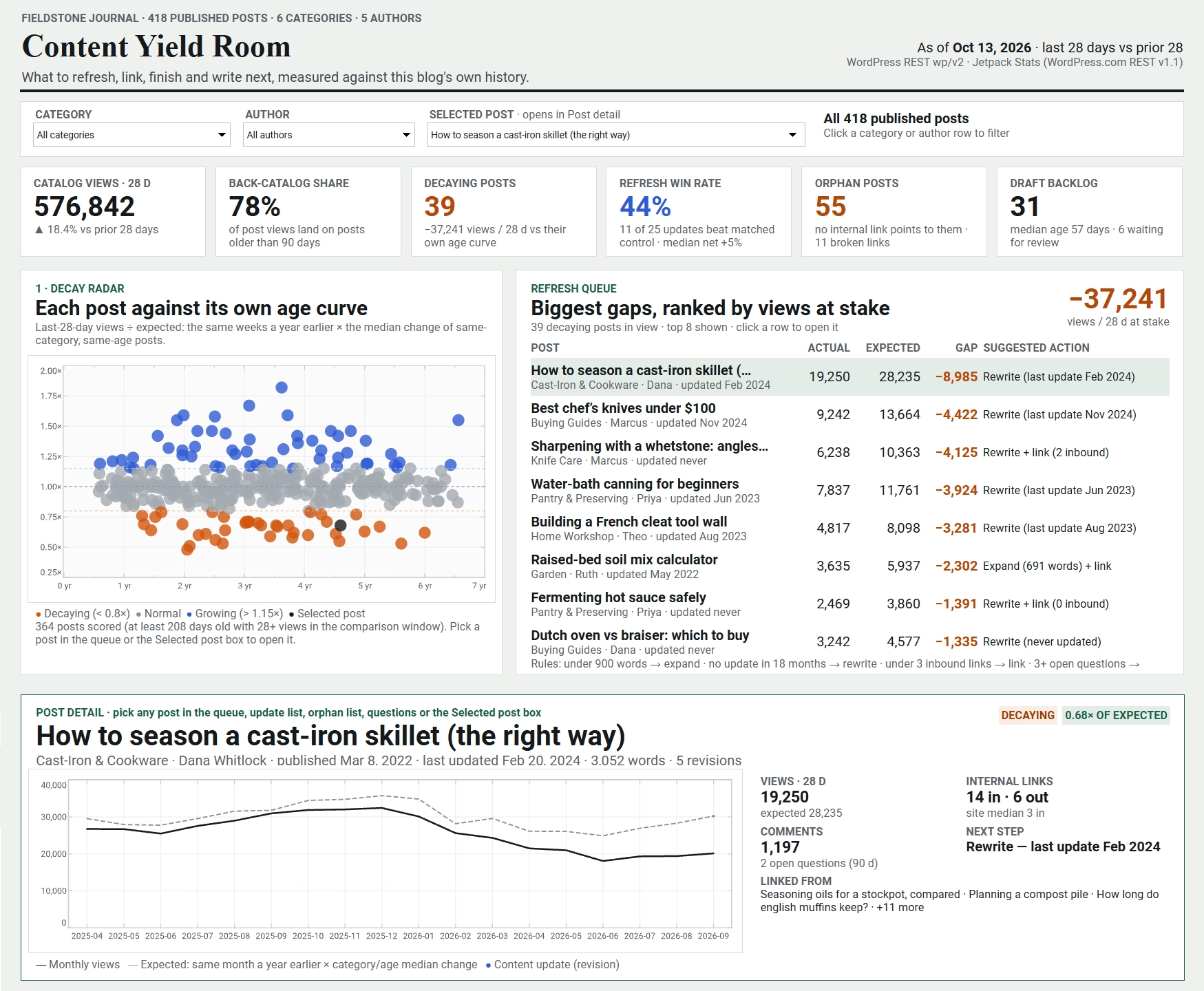
Signs of Report Proliferation
Several indicators suggest an organization is experiencing report proliferation:
- Multiple reports exist for the same KPI.
- Users frequently ask which report is correct.
- Conflicting numbers appear across departments.
- Large report catalogs have low usage rates.
- Reporting environments become difficult to maintain.
- Analysts spend more time creating reports than analyzing data.
- Executives receive numerous versions of the same performance metrics.
Business Impact of Report Proliferation
The consequences of report proliferation extend beyond system complexity. It can directly impact decision quality, operational efficiency, and trust in data.
Reduced Data Trust
When different reports provide different answers, confidence in analytics declines. Users may question all reporting output, even when accurate information exists.
Decision Delays
Leaders may spend additional time validating numbers, reconciling discrepancies, and debating metric definitions instead of acting on insights.
Increased Maintenance Costs
Each report requires maintenance, validation, security management, and support. Thousands of redundant reports increase administrative and infrastructure costs.
Metric Confusion
Without standardized definitions, critical KPIs such as revenue, margin, customer retention, and conversion rates may be calculated differently across teams.
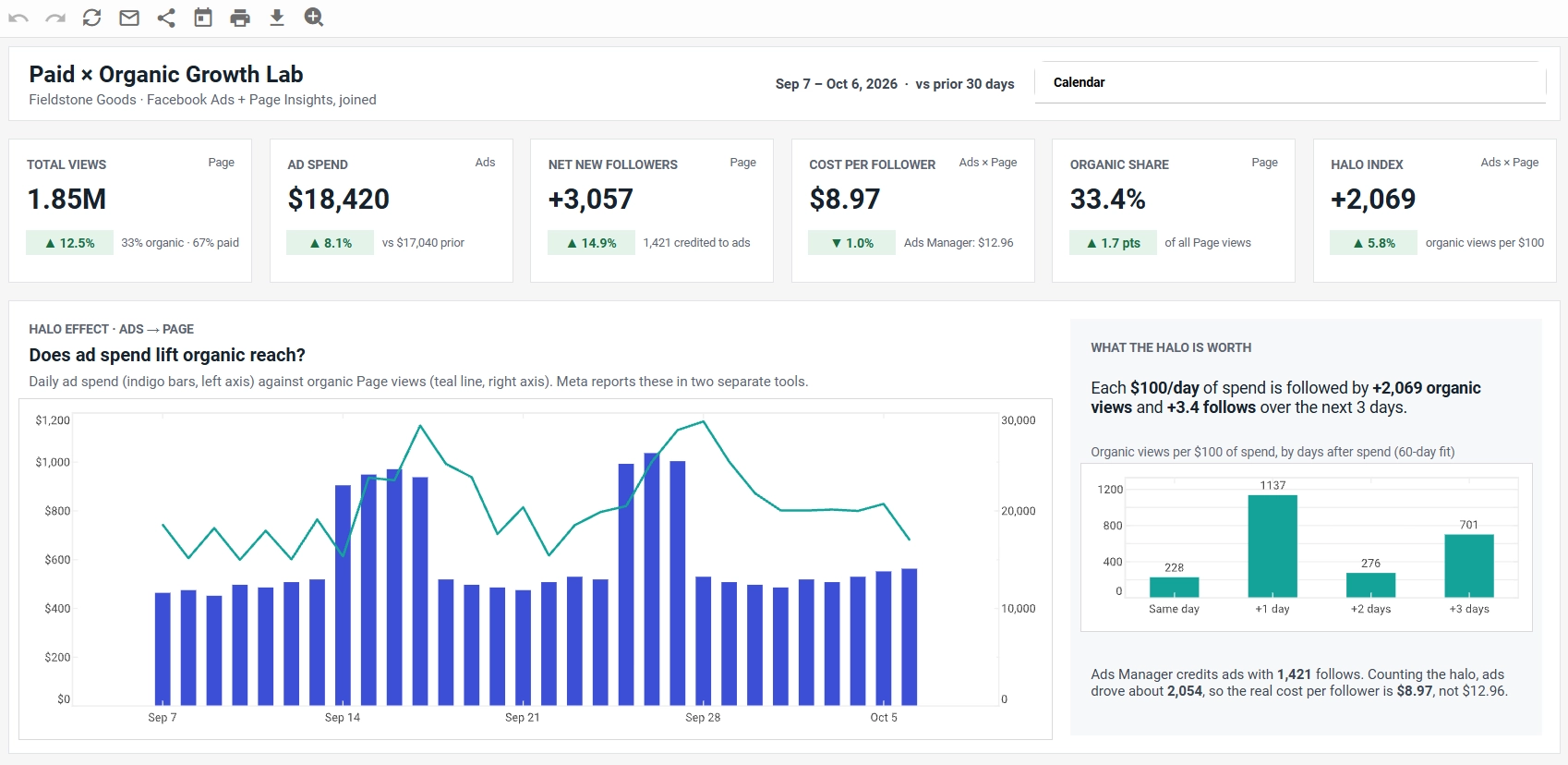
Report Proliferation vs. Self-Service BI
Self-service business intelligence is not the same as report proliferation. Self-service BI allows business users to answer their own questions without depending exclusively on IT. Report proliferation occurs when self-service creation lacks governance, discoverability, and certification mechanisms.
Successful organizations balance flexibility with controls by allowing exploration while maintaining trusted and certified reporting assets.
How to Prevent Report Proliferation
Organizations can reduce report proliferation through a combination of governance, technology, and process improvements.
- Create a centralized report catalog.
- Define standardized KPI and metric definitions.
- Establish report certification processes.
- Retire outdated or unused reports regularly.
- Monitor report usage and adoption metrics.
- Implement data governance policies.
- Encourage reuse of existing reporting assets.
- Develop semantic or metrics layers for consistency.
Modern BI platforms often provide cataloging, certification, metadata management, and governance features that help organizations maintain a trusted reporting environment.
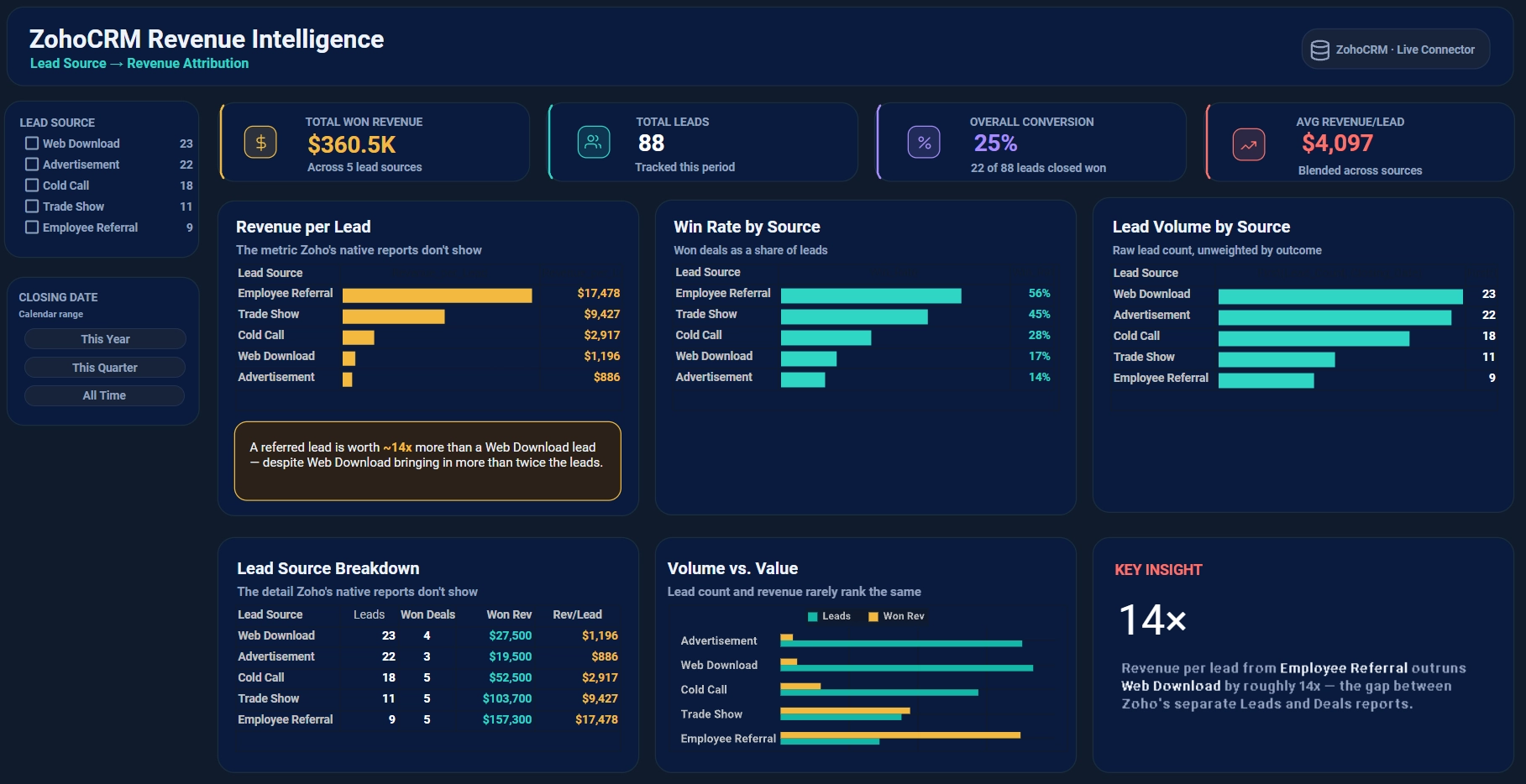
Best Practices for Managing Reports
- Maintain a single source of truth for key business metrics.
- Review report inventories on a scheduled basis.
- Require ownership assignments for critical reports.
- Track report usage and retirement candidates.
- Document metric definitions and calculations.
- Provide searchable metadata and report descriptions.
- Promote certified dashboards for executive use.
Reduce Report Sprawl
Report proliferation occurs when organizations accumulate excessive numbers of reports and dashboards that duplicate information and create confusion. Although often driven by growing demand for analytics and self-service BI, unmanaged report creation can reduce trust, increase maintenance costs, and slow decision-making.
By implementing reporting governance, establishing standardized metrics, certifying trusted assets, and continuously auditing report usage, organizations can reduce report sprawl and ensure decision-makers rely on consistent, accurate information.