Modern Report Writer Software: From Static Reports to Interactive Data Experiences
The role of the report writer has evolved dramatically over the past two decades. What was once a specialized tool for generating static, print-ready documents has transformed into a dynamic engine for interactive analytics, automated reporting, and data-driven storytelling. As organizations demand faster insights, greater personalization, and more flexible reporting workflows, modern report writer software has become a foundational component of Business Intelligence (BI) ecosystems. This article explores how report writers have changed, what capabilities define modern solutions, and how InetSoft’s report writer empowers organizations to build scalable, interactive, and automated reporting experiences.
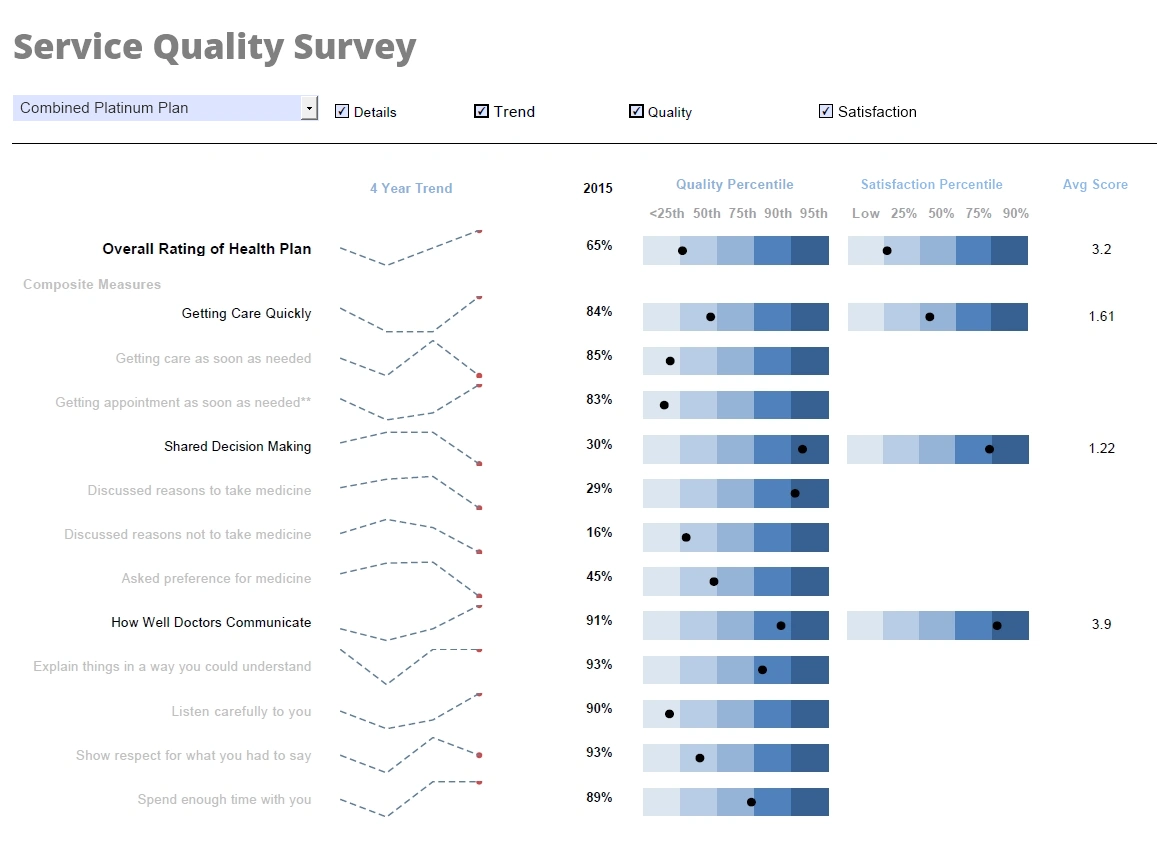

Understanding the Traditional Report Writer
Historically, a report writer was a tool used to design and generate formatted reports from structured data sources. These tools were often tightly coupled to databases, required technical expertise, and produced static outputs such as PDFs or printed documents. Popular legacy tools like Crystal Reports, Cognos Report Studio, and SQL Server Reporting Services (SSRS) defined the early era of enterprise reporting.
Traditional report writers excelled at producing highly formatted, repeatable documents—financial statements, invoices, compliance reports, and operational summaries. However, they were limited in several ways:
- Reports were static and lacked interactivity.
- Users needed technical skills to modify templates.
- Data refresh cycles were slow or manual.
- Reports were often siloed and difficult to distribute.
As organizations shifted toward real-time analytics and self-service BI, these limitations became increasingly restrictive. The modern report writer emerged to address these challenges.
The Evolution of Report Writers in the BI Landscape
Modern report writers are no longer isolated tools. They are integrated components of broader BI platforms, supporting interactive dashboards, parameterized templates, embedded analytics, and automated distribution. Instead of simply generating documents, they help users explore data, customize views, and generate insights on demand.
Several trends have driven this evolution:
- Self-Service Analytics: Business users expect to modify, filter, and personalize reports without IT intervention.
- Real-Time Data: Reports must reflect current conditions, not last week’s exports.
- Automation: Organizations need to generate thousands of customized reports at scale.
- Interactive Visualizations: Reports now include charts, drill-downs, and dynamic layouts.
- Embedded Reporting: Applications require built-in reporting experiences for end users.
These trends have expanded the definition of a report writer from a static document generator to a flexible, interactive, and automated reporting engine.

Core Capabilities of Modern Report Writer Software
Dynamic Data Binding
Modern report writers connect to a wide range of data sources—databases, APIs, cloud warehouses, spreadsheets, and semantic models. They support real-time queries, cached datasets, and blended data views. This flexibility ensures that reports always reflect accurate and up-to-date information.
Parameterized Reporting
Parameters allow users to customize report output by selecting date ranges, categories, regions, or other variables. This transforms a single template into a multi-purpose reporting tool. Parameterization also supports automation, enabling organizations to generate large batches of personalized reports.
Interactive Visualizations
Charts, tables, maps, and KPI widgets are now standard components of report writer tools. Users can drill down, expand hierarchies, sort data, and toggle views. This interactivity turns reports into exploratory experiences rather than static documents.
Template Reuse and Standardization
Modern report writers support reusable templates that enforce consistent branding, formatting, and metric definitions. This ensures that all reports across the organization follow the same standards, reducing confusion and improving trust in the data.

Automated Scheduling and Distribution
Organizations often need to deliver reports to hundreds or thousands of recipients. Modern report writers support automated scheduling, parameter-driven batch generation, and distribution via email, portals, or embedded applications. This eliminates manual effort and ensures timely delivery.
Embedded Reporting
Many applications require built-in reporting capabilities. Modern report writers provide embeddable components that integrate seamlessly into web and mobile applications, giving end users access to interactive reports without leaving their workflow.
Use Cases for Modern Report Writers
Financial Reporting
Finance teams rely on report writers to generate balance sheets, income statements, variance analyses, and budget reports. Parameterization allows these reports to be customized by department, cost center, or time period. Automation ensures that recurring financial reports are delivered consistently and accurately.
Operational Monitoring
Operations teams use report writers to track performance metrics, monitor equipment, and analyze workflow efficiency. Interactive elements allow users to drill into specific assets, locations, or processes. Automated scheduling ensures that teams receive timely updates.

Client and Account Reporting
Service providers often need to generate individualized reports for each client or account. Modern report writers allow organizations to produce thousands of customized reports from a single template, reducing manual effort and ensuring consistency.
Compliance and Regulatory Reporting
Many industries require standardized reports for regulatory agencies. Report writers ensure that these documents follow strict formatting rules while allowing parameter-driven customization for different regions or reporting periods.
Sales and Marketing Analytics
Sales teams use report writers to analyze pipelines, track performance, and evaluate customer behavior. Marketing teams rely on them for campaign reporting, segmentation analysis, and ROI tracking. Interactive visualizations help teams identify trends and opportunities.
How InetSoft’s Report Writer Elevates Modern Reporting
InetSoft’s report writer is designed to meet the demands of modern BI environments. It combines the strengths of traditional reporting—precision formatting, repeatability, and structured output—with the flexibility of interactive dashboards and self-service analytics.

Flexible Template Design
InetSoft allows designers to build highly formatted templates that support dynamic content, conditional visibility, and parameter-driven layouts. Templates can include charts, tables, images, and custom components, all bound to live data sources.
Powerful Parameter Controls
InetSoft supports a wide range of parameter types, including dropdowns, date pickers, sliders, and multi-select lists. These controls can be dynamically populated from data sources, ensuring that users always see valid options. Parameters can also drive conditional logic, enabling highly personalized reporting experiences.
Interactive and Paginated Output
InetSoft’s report writer supports both interactive web-based reports and paginated print-ready documents. Users can explore data online, drill into details, and export results as needed. This dual capability makes InetSoft suitable for both operational dashboards and formal reporting.
Automated Scheduling and Distribution
InetSoft’s scheduling engine allows organizations to automate report generation and distribution. Reports can be generated for different parameter values and delivered via email, FTP, or portals. This is ideal for client reporting, compliance documentation, and recurring operational updates.

Embedded Reporting for Applications
InetSoft provides embeddable reporting components that integrate seamlessly into web and mobile applications. This allows developers to deliver interactive reporting experiences directly within their products, enhancing user engagement and reducing development effort.
The Strategic Importance of Modern Report Writers
Modern report writers are more than tools for generating documents—they are engines for insight delivery. They enable organizations to standardize reporting, automate workflows, personalize insights, and empower users to explore data independently. As data volumes grow and reporting demands become more complex, the ability to generate accurate, timely, and interactive reports becomes a competitive advantage.
InetSoft’s report writer embodies this evolution. By combining flexible design tools, powerful parameterization, interactive visualizations, and automated distribution, InetSoft enables organizations to transform static reporting into dynamic data experiences. Whether supporting executives, analysts, or operational teams, InetSoft provides the capabilities needed to deliver insights that drive better decisions.
As organizations continue to modernize their analytics strategies, report writers will remain essential. The shift from static documents to interactive experiences is well underway, and tools like InetSoft are leading the way by redefining what reporting can achieve.